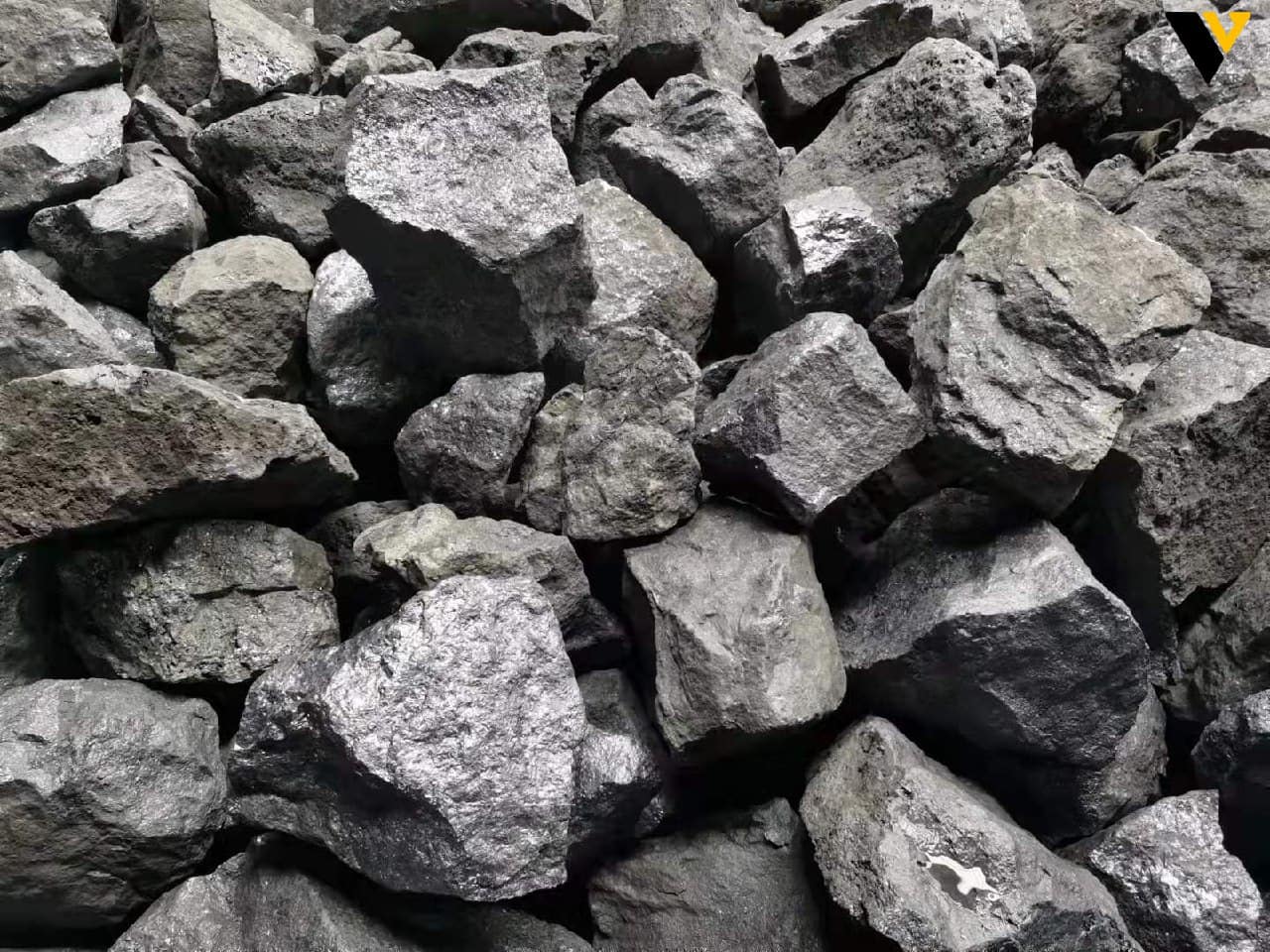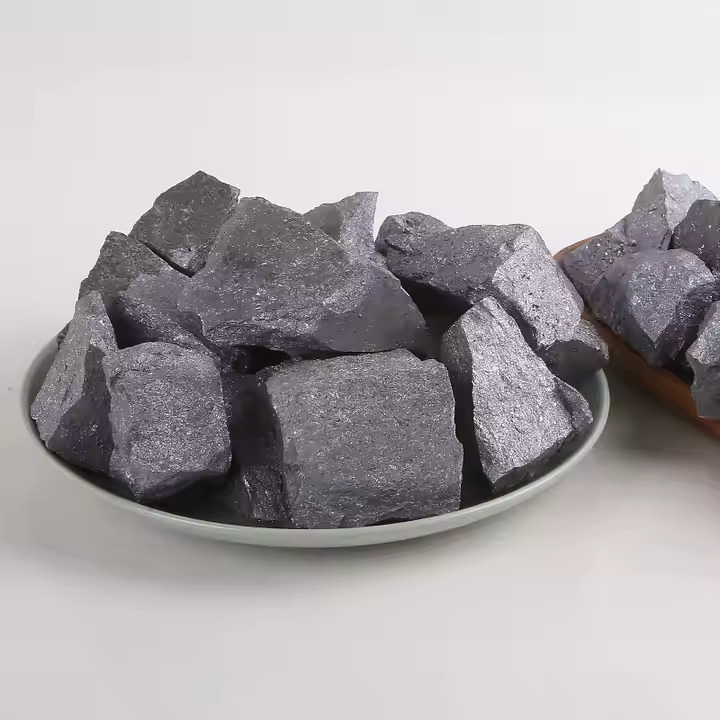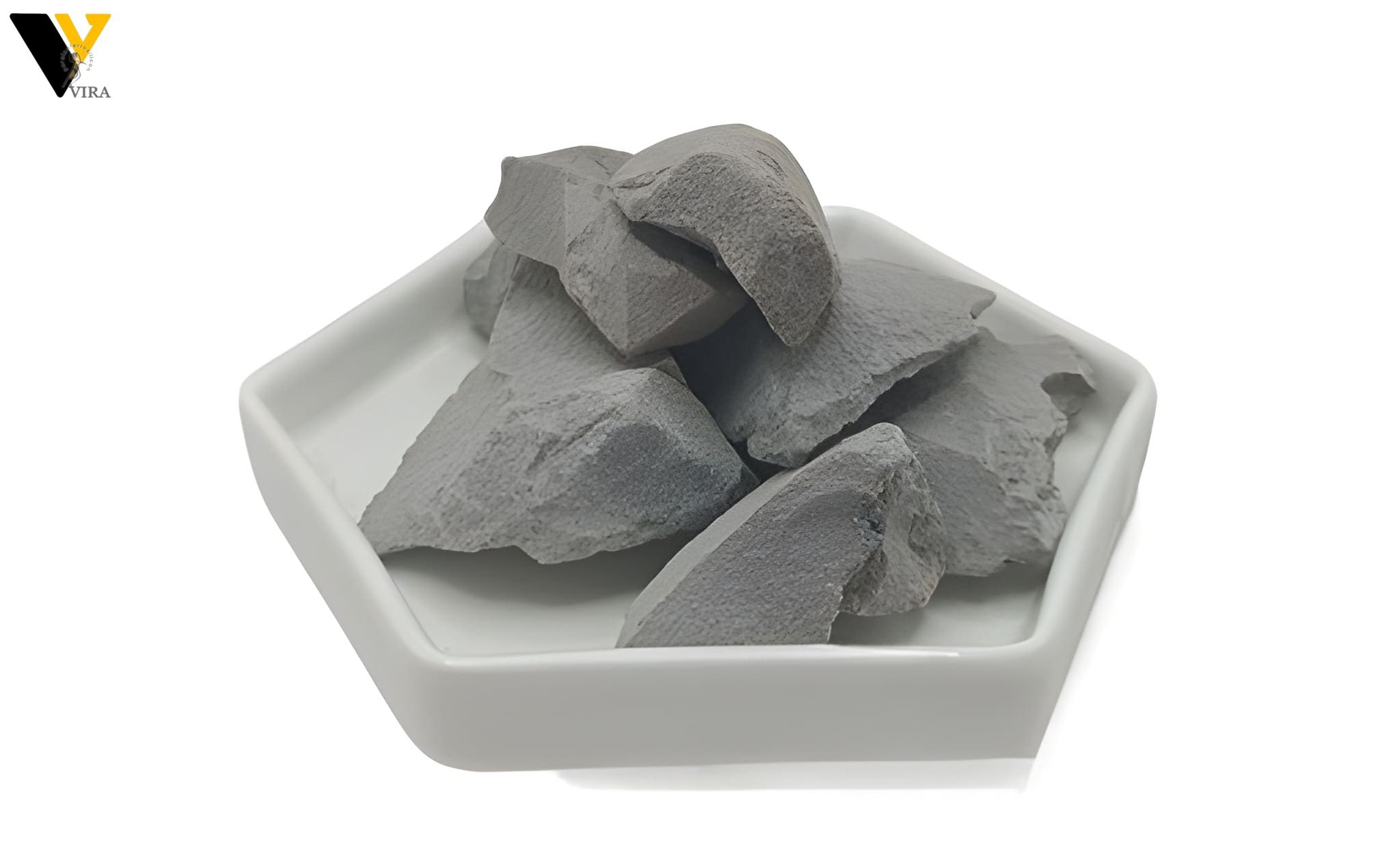


Silicon Metal Overview
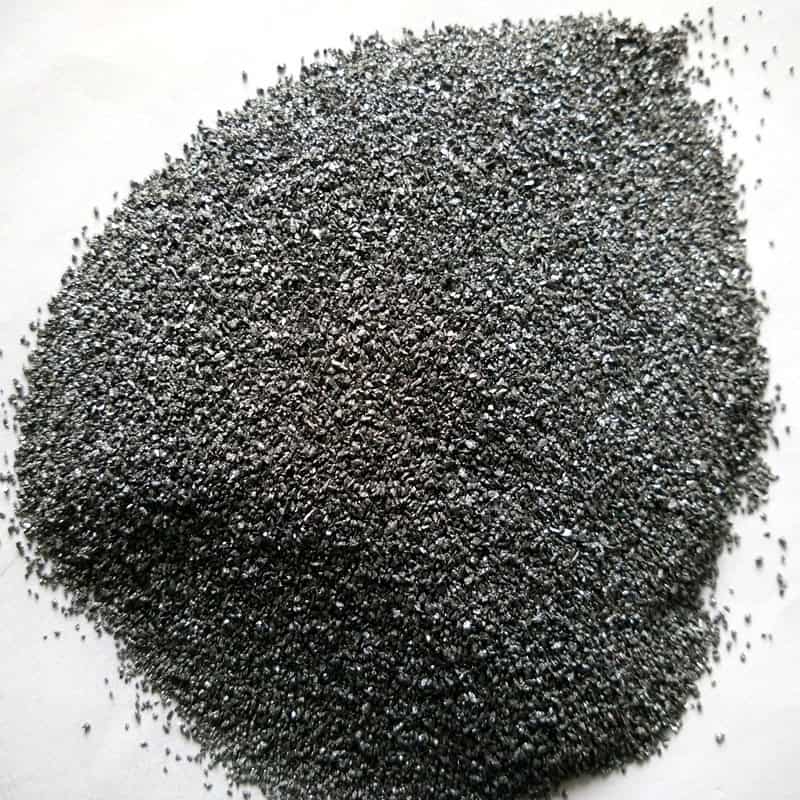
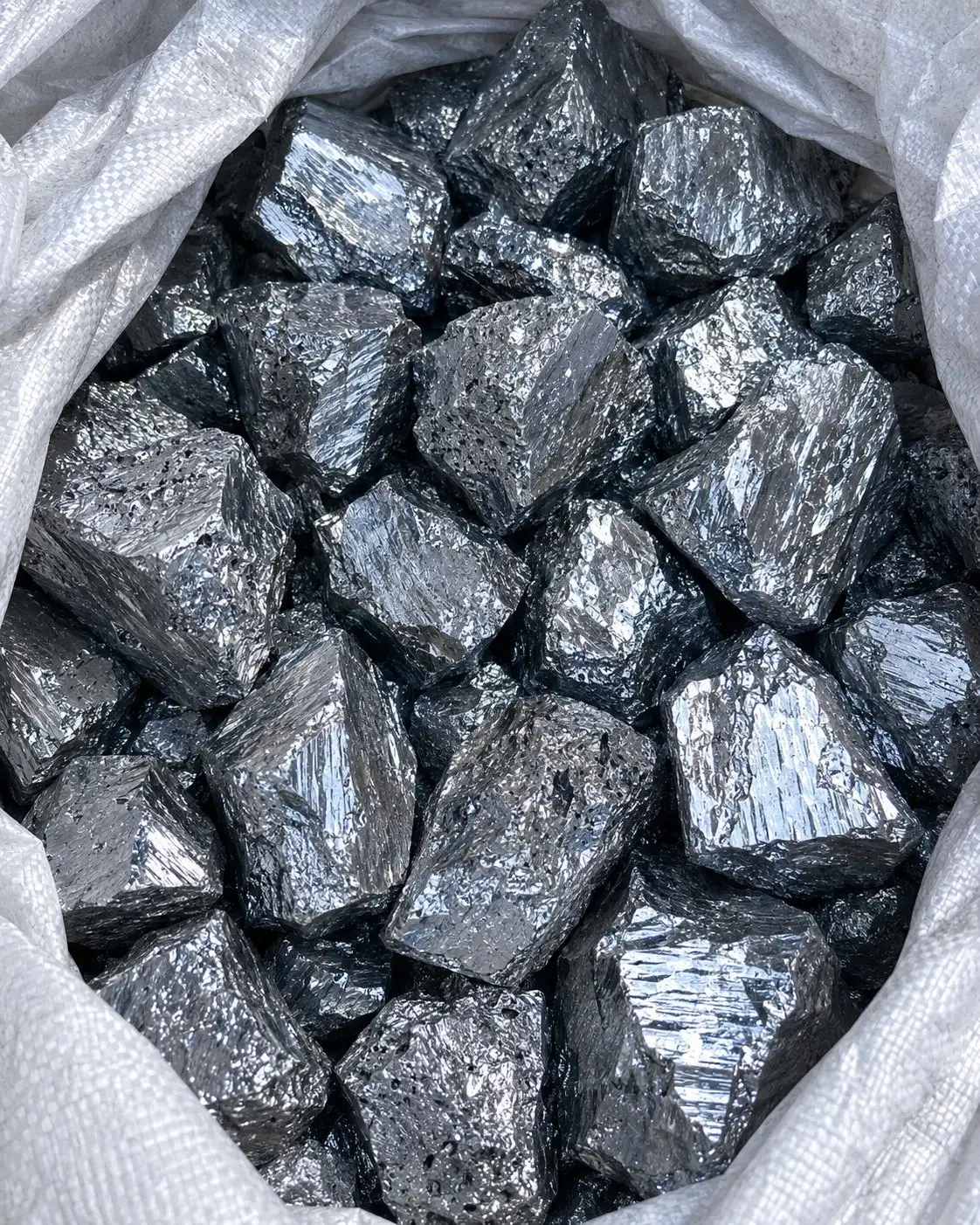
Silicon metal is a high-silicon industrial material primarily used in aluminum alloys, silicone production, polysilicon, and other metallurgical and chemical applications. Its commercial grades, such as 553, 441, 421, 411, 3303, and 2202, are mainly differentiated by their impurity limits for iron, aluminum, and calcium.
The right silicon metal grade depends on the end application, chemical specification, particle size, origin, and purchasing requirements. In 2026, silicon metal prices can vary significantly according to grade, production costs, energy prices, supply, logistics, and destination market conditions.
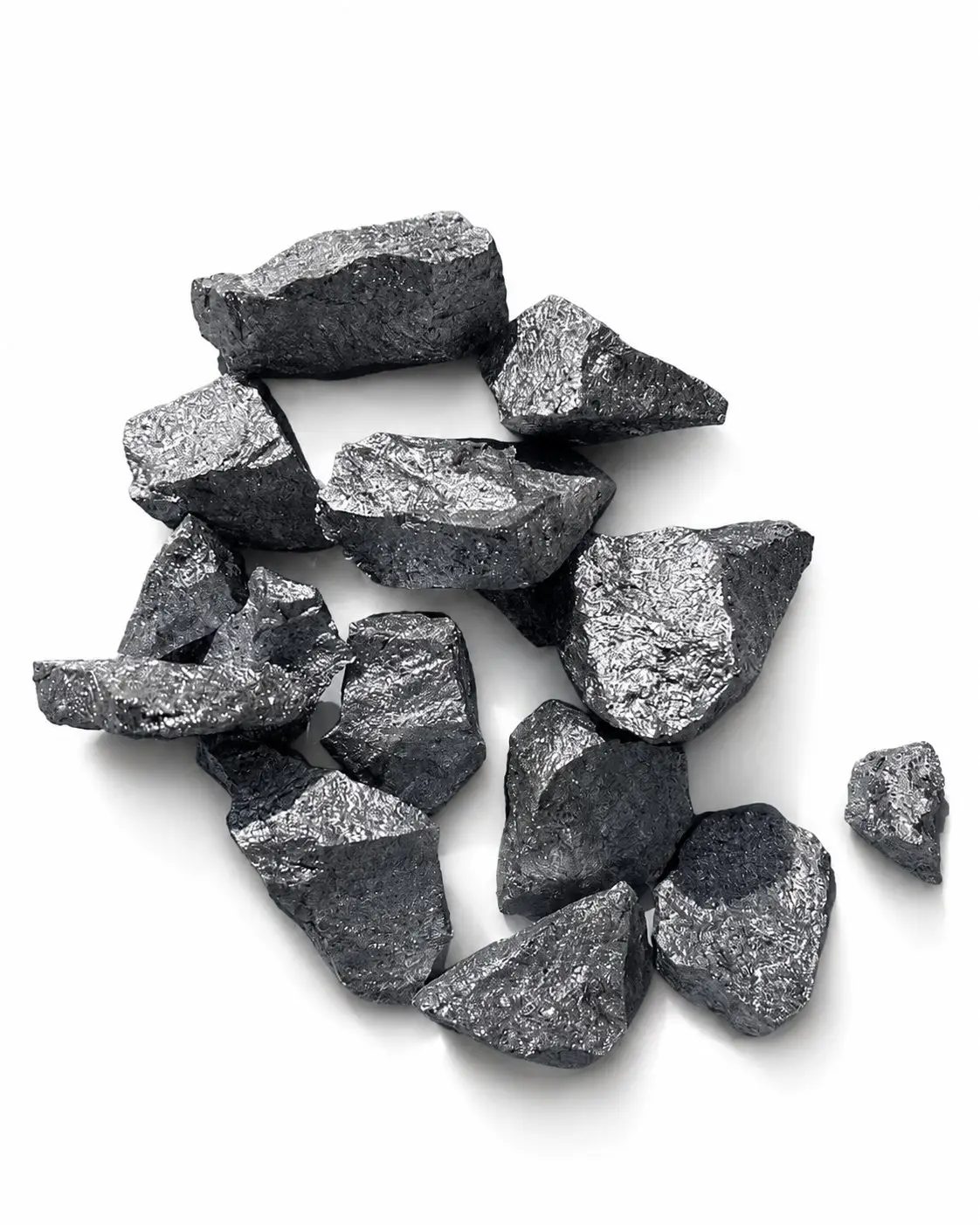
What Is Silicon Metal? Definition, Composition and Main Properties
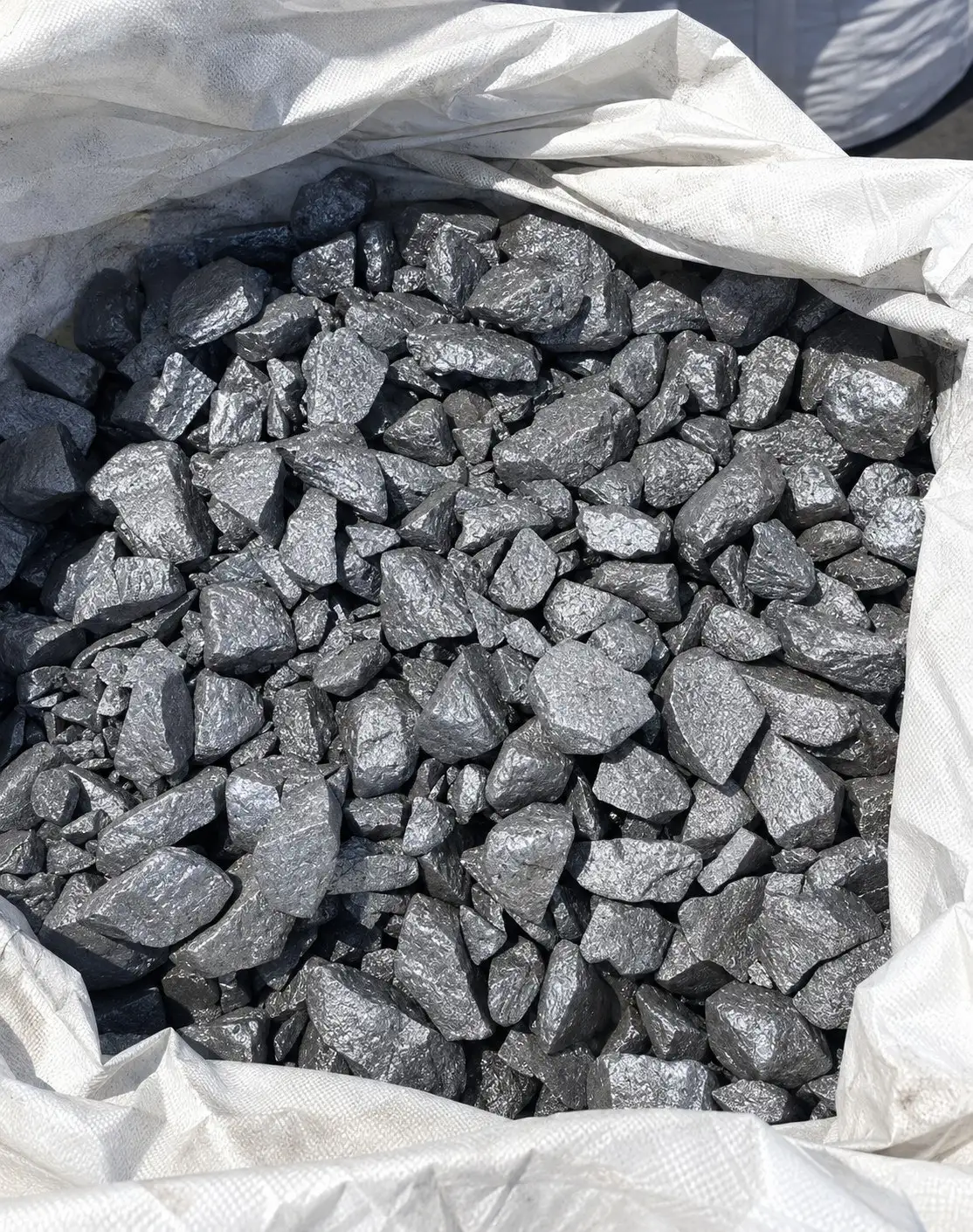
Silicon metal is an industrial material with a high silicon content, produced mainly by reducing quartz or silica in an electric arc furnace. Commercial silicon metal commonly contains around 98–99% silicon, while controlled levels of iron (Fe), aluminum (Al), calcium (Ca), and other elements determine its grade and suitability for different industrial applications.
Unlike silicon used in semiconductor wafers, silicon metal is primarily a metallurgical and chemical raw material. It is widely used in aluminum alloys, silicone production, polysilicon manufacturing, and selected metallurgical and chemical processes.
Commercial grades generally contain about 98–99% Si, with the balance consisting mainly of controlled impurities.
Iron, aluminum and calcium limits are key factors used to distinguish commercial silicon metal grades.
Major applications include aluminum alloys, silicones, polysilicon and other metallurgical processes.
Exact chemical limits can vary by producer and contract specification. Always confirm the applicable TDS and COA before purchasing.
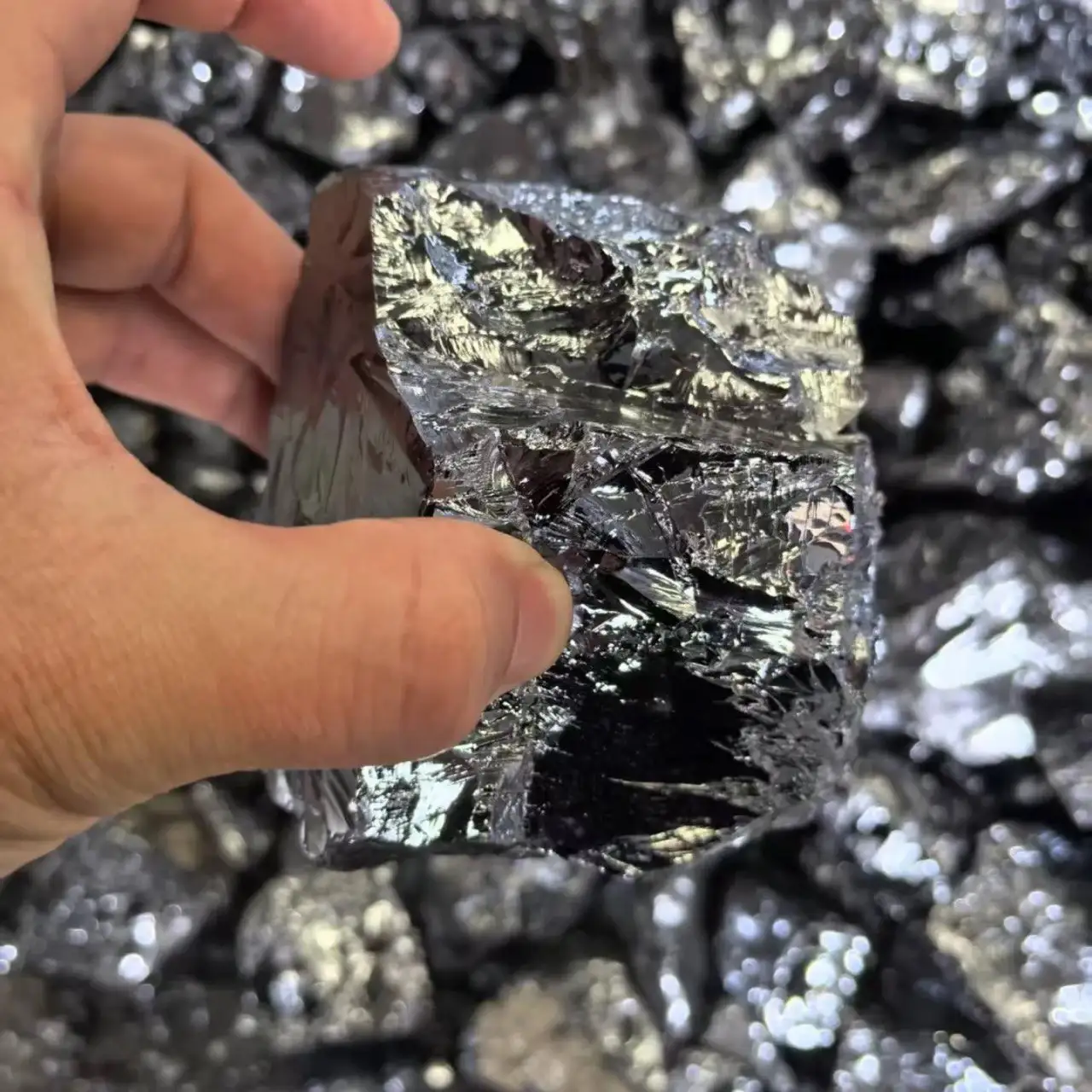
How Is Silicon Metal Made?
Silicon metal is produced primarily by reducing quartz or silica (SiO₂) with carbonaceous materials in a submerged electric arc furnace. The high-temperature process removes oxygen from silica and produces molten silicon, which is then refined, cooled, crushed, screened, and prepared according to the required commercial grade and particle size.
The final quality of silicon metal depends on the purity of the raw materials, furnace operation, reduction conditions, refining process, and control of impurities such as iron, aluminum, and calcium.

1. Quartz and Raw Materials
High-quality quartz or silica is selected together with suitable carbonaceous reducing materials.

2. Electric Arc Furnace Reduction
The prepared raw materials are charged into a submerged electric arc furnace and heated to very high temperatures, where silica is reduced to silicon.

3. Silicon Melting and Collection
The resulting silicon melts and collects at the bottom of the furnace before being tapped and transferred for further processing.

4. Refining and Quality Control
The material can be refined and controlled to meet the specified limits for silicon and impurities such as Fe, Al, and Ca.

5. Cooling, Crushing and Sizing
After cooling, silicon metal is crushed and screened into the required lump, granular, or other particle-size specifications before packaging and shipment.
Silicon Metal Grades Explained: 553, 441, 421, 411 and 3303
Silicon metal grades are primarily differentiated by the allowable levels of iron (Fe), aluminum (Al), and calcium (Ca). The right grade depends on the end application, required purity and the buyer's technical specification.
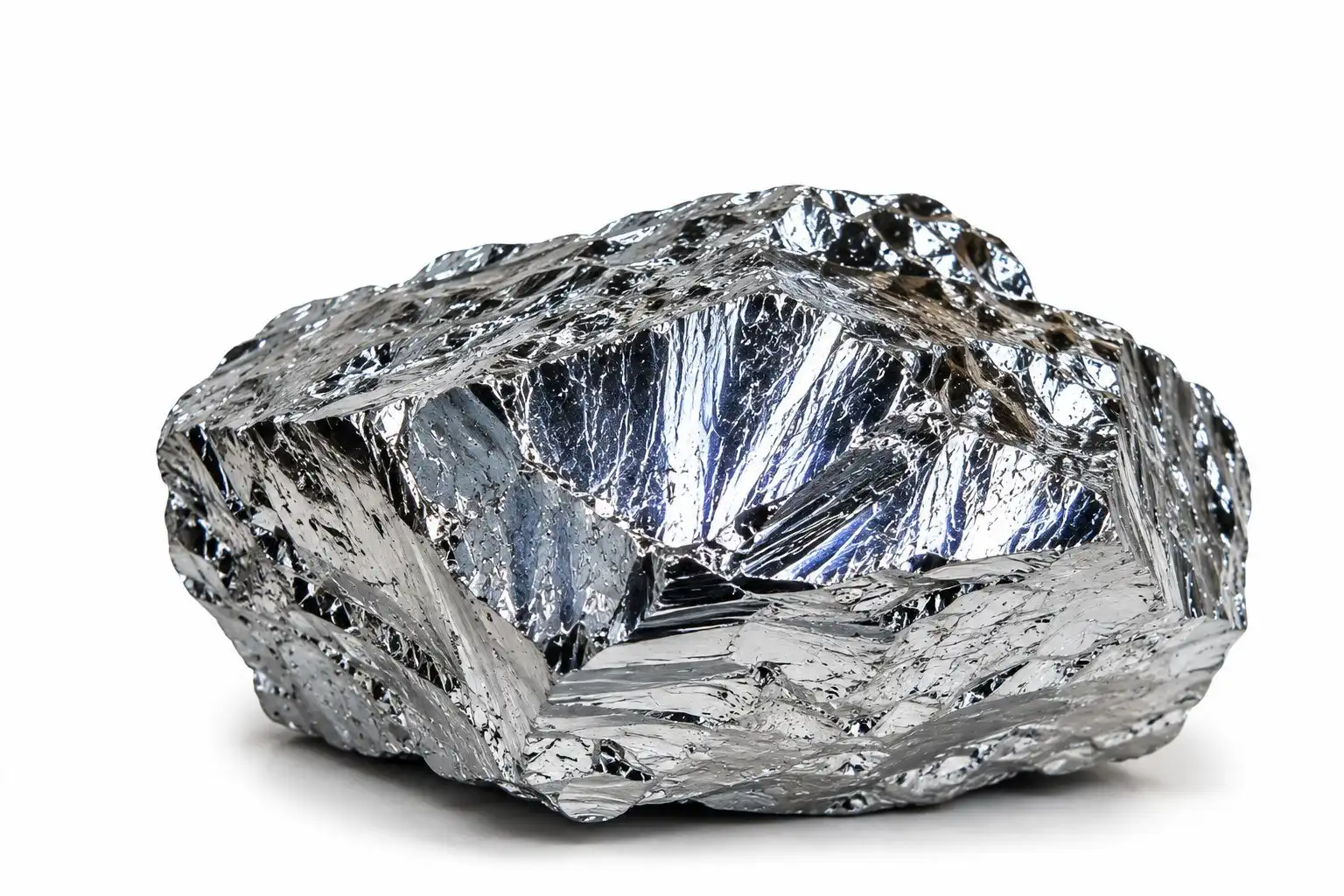
Silicon Metal 553
Silicon Metal 553 is one of the most widely traded commercial silicon metal grades. It offers a practical balance between silicon content, impurity limits and overall cost, making it suitable for a broad range of industrial applications.
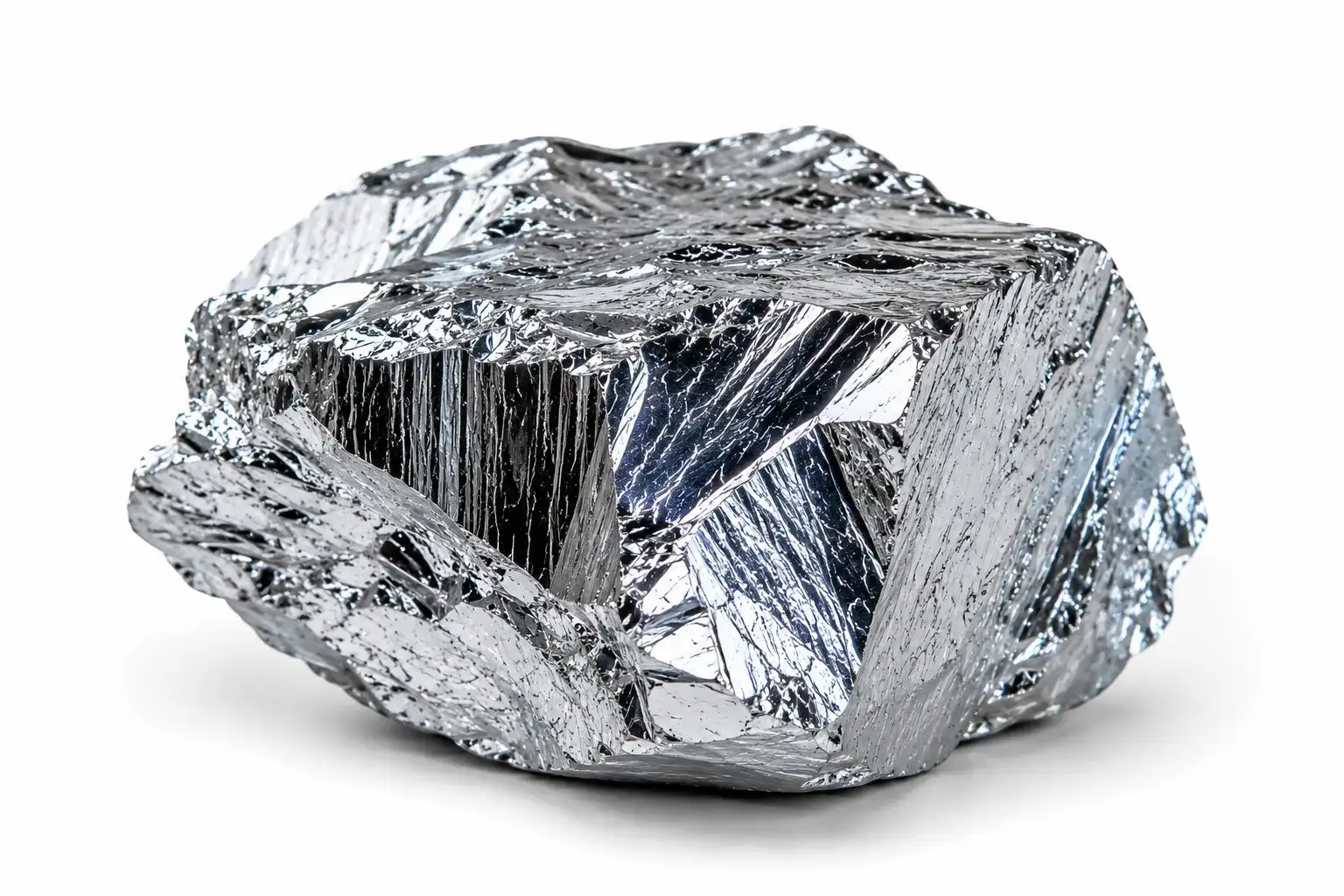
Silicon Metal 441
Silicon Metal 441 provides tighter impurity limits than 553, particularly for calcium. It is commonly selected where cleaner silicon metal is required for controlled alloy and chemical processing.
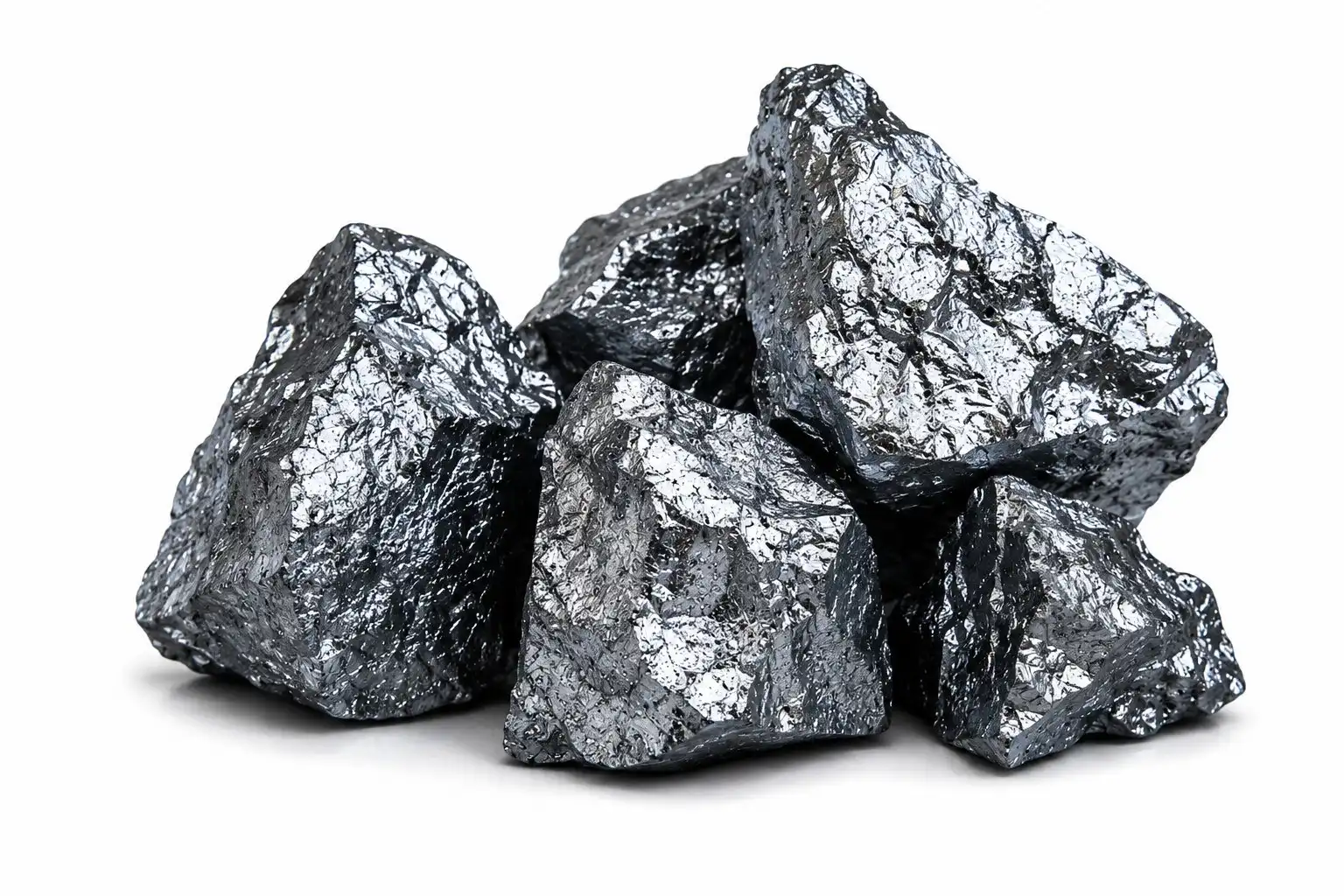
Silicon Metal 421
Silicon Metal 421 is characterized by tighter aluminum control than the 441 grade while maintaining a similar calcium limit. It can be considered when the buyer requires a specific balance of silicon purity and impurity control.
Silicon Metal 411
Silicon Metal 411 maintains a 99% minimum silicon level while offering tighter aluminum and calcium limits than 441. It is considered when lower impurity levels are important to the customer's process specification.
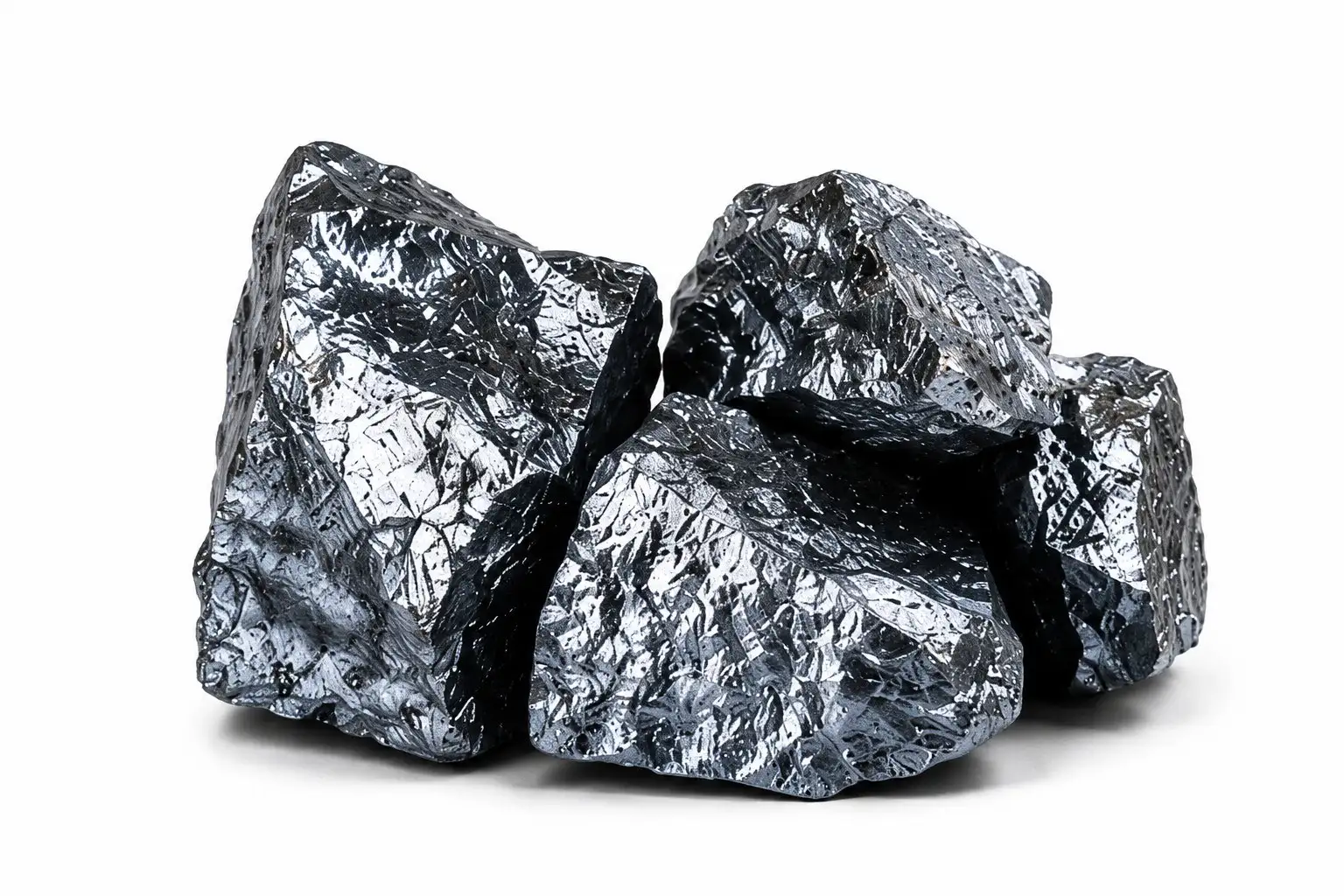
Silicon Metal 3303
Silicon Metal 3303 is a higher-specification commercial grade with substantially tighter impurity limits than 553. Its low calcium and controlled iron and aluminum levels make it suitable for applications where impurity control is more demanding.
Important: Silicon metal specifications can vary between standards, producers and purchase contracts. The values above are common commercial reference specifications. Always confirm the final Si, Fe, Al, Ca, particle size and other requirements against the supplier's TDS and COA before placing an order.
Silicon Metal Specifications and Chemical Composition
Silicon metal specifications are mainly defined by silicon content and the allowable levels of impurities such as iron, aluminum and calcium. The required chemical composition depends on the grade, application and buyer's technical specification.
| Silicon Metal Grade | Si (%) | Fe (%) | Al (%) | Ca (%) | Typical Application |
|---|---|---|---|---|---|
| 553 | ≥ 98.5 | ≤ 0.50 | ≤ 0.50 | ≤ 0.30 | Aluminum Alloys & General Industry |
| 441 | ≥ 99.0 | ≤ 0.40 | ≤ 0.40 | ≤ 0.10 | Aluminum & Chemical Applications |
| 421 | ≥ 99.0 | ≤ 0.40 | ≤ 0.20 | ≤ 0.10 | Controlled-Impurity Applications |
| 411 | ≥ 99.0 | ≤ 0.40 | ≤ 0.10 | ≤ 0.10 | Higher-Specification Industrial Uses |
| 3303 | ≥ 99.0 | ≤ 0.30 | ≤ 0.30 | ≤ 0.03 | Silicone & Specialty Applications |
Important: Commercial specifications may vary by producer, standard and purchase contract. Always verify the final chemical composition against the supplier's TDS and COA before purchasing.
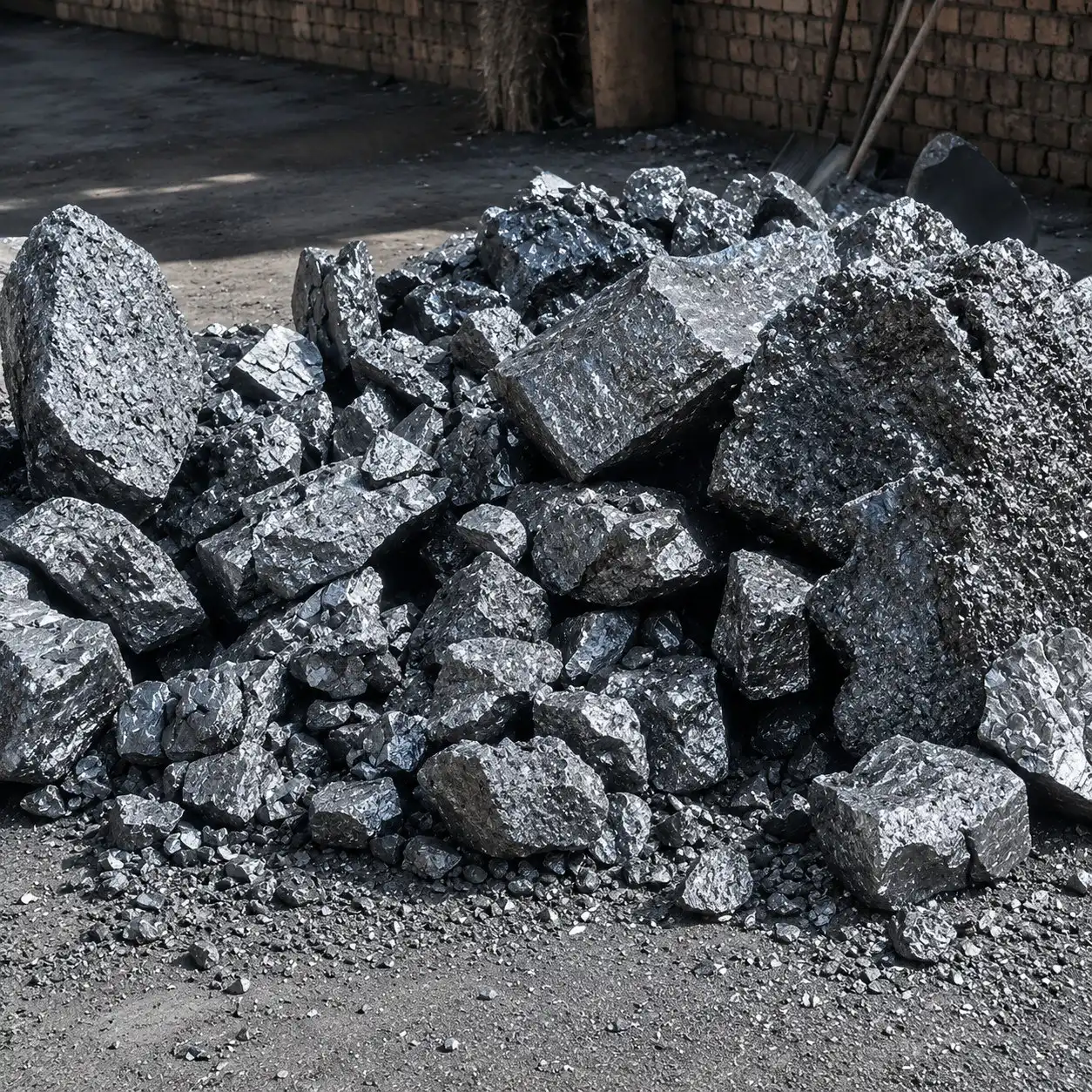
Silicon Metal Price 2026: What Determines the Cost?
Silicon metal prices vary by grade, chemical specification, origin, shipment volume, particle size and delivery terms. The table below provides indicative 2026 market ranges for major commercial grades together with key regions where industrial buyers commonly source silicon metal internationally. For a full breakdown of current pricing trends, see our Silicon Metal Price 2026 guide.
| Silicon Metal Grade | Indicative 2026 Price Range | Approx. Si | Key Export / Buying Regions | Main Demand Drivers |
|---|---|---|---|---|
| 553 | US$1,150–1,300 / MT | ≥ 98.5% | Europe · India · Southeast Asia · Middle East · North America | Aluminum alloys · Metallurgy · General industrial use |
| 441 | US$1,200–1,350 / MT | ≥ 99.0% | Europe · Turkey · India · Japan · South Korea | Aluminum alloys · Chemical processing · Silicone-related uses |
| 421 | US$1,220–1,380 / MT | ≥ 99.0% | Europe · East Asia · India · Southeast Asia | Aluminum alloys · Silicone production · Controlled-impurity applications |
| 411 | US$1,250–1,420 / MT | ≥ 99.0% | Europe · Japan · South Korea · India · Specialty industrial markets | Lower impurity requirements · Chemical and specialty uses |
| 3303 | US$1,300–1,500 / MT | ≥ 99.0% | Europe · East Asia · Japan · South Korea · Southeast Asia | Silicone · Chemical applications · Higher specification requirements |
| 2202 | US$1,900–2,200+ / MT | Higher-purity grade | Japan · South Korea · Europe · Advanced industrial markets | Higher-purity chemical and specialty applications |
Tighter Fe, Al and Ca limits generally increase the commercial premium of the silicon metal grade.
Production costs, electricity, raw materials and regional supply conditions can move export prices significantly.
Large industrial quantities and long-term contracts can receive different pricing from small spot purchases.
FOB, CFR and CIF prices can differ substantially depending on destination, freight, insurance and port charges.
Key Regions Buying Silicon Metal Internationally
2026 market note: These are indicative international price ranges rather than firm quotations. Actual export prices depend on grade, chemical analysis, particle size, quantity, packaging, origin, loading port, destination and Incoterms. SMM's August 2026 market data provides the underlying benchmark for several commercial grades in the Asian market.
What Is Silicon Metal Used For?
Silicon metal is an important industrial raw material used across aluminum alloy production, silicone manufacturing, polysilicon, chemical processing and selected metallurgical applications. The appropriate grade depends on the required silicon content, impurity limits and end-use specification.

Aluminum Alloys
Silicon metal is widely added to aluminum alloys to improve casting performance, fluidity and selected mechanical properties. It is an important raw material for many aluminum-silicon alloy systems used in automotive, transportation and industrial components.
Silicone Production
Silicon metal is a key raw material in the production of organosilicon compounds and silicones. Grade selection can depend on chemical composition, impurity control and the requirements of the downstream production process.

Polysilicon Production
Silicon metal can serve as a feedstock in processes that convert metallurgical silicon into higher-purity silicon materials. Polysilicon is then used in major parts of the solar photovoltaic and semiconductor supply chains.

Chemical Applications
Silicon metal is used as a raw material in several chemical processes. Controlled levels of iron, aluminum and calcium can be important where the downstream process requires consistent and predictable feedstock quality.
Metallurgical Applications
Silicon metal is also used in selected metallurgical processes where silicon is required as an alloying or process input. Material grade, particle size and chemical composition are selected according to the specific production requirement.
Silicon metal is not a one-grade-fits-all material. Aluminum alloy, silicone, polysilicon and chemical applications may require different limits for Si, Fe, Al and Ca, as well as different particle sizes and quality-control requirements.
Frequently Asked Questions About Silicon Metal
Clear answers to the most common questions about silicon metal, including its definition, grades, applications, production and price.
What is silicon metal?+
Silicon metal is an industrial form of elemental silicon, usually containing about 98% or more silicon. It is mainly produced from quartz or silica and used in aluminum alloys, silicone production, polysilicon and chemical applications.
What is silicon metal used for?+
Silicon metal is mainly used for aluminum alloying, silicone production and polysilicon. It is also used in chemical, metallurgical and other specialized industrial applications.
What do silicon metal grades 553 and 441 mean?+
Grade numbers describe the typical impurity limits for iron (Fe), aluminum (Al) and calcium (Ca). For example, 441 generally has tighter Fe, Al and Ca limits than 553 and is therefore commonly used where cleaner material is required.
How is silicon metal made?+
Silicon metal is mainly produced by reducing quartz or silica (SiO₂) with carbonaceous materials in a submerged electric arc furnace. The resulting silicon is then tapped, cooled, crushed and sized according to the required specification.
How much does silicon metal cost?+
Silicon metal has no single global price. The cost varies by grade, chemical specification, origin, quantity, particle size, freight and Incoterms. In 2026, commercial grades are commonly quoted using regional market or export benchmarks.
Which silicon metal grade should I buy?+
The right grade depends on the end application and required impurity limits. Buyers should compare Si, Fe, Al and Ca specifications, particle size and the requirements of their production process rather than choosing by grade number alone.
What is the difference between silicon metal and ferrosilicon?+
Silicon metal contains predominantly silicon with controlled impurities, while ferrosilicon is an iron-silicon alloy. Silicon metal is widely used in aluminum and chemical applications, whereas ferrosilicon is extensively used for steelmaking and foundry applications.
What should I check before buying silicon metal?+
Check the chemical composition, grade, particle size, quantity, packaging, origin, TDS, COA, loading port and Incoterm. For industrial orders, the material should match the buyer's actual process specification.
Conclusion: Understanding Silicon Metal Grades, Prices and Uses in 2026
Silicon metal is a critical industrial raw material used in aluminum alloys, silicone production, polysilicon, chemical processing and selected metallurgical applications. Its commercial value depends not only on silicon content, but also on the required limits for iron, aluminum and calcium.
When buying silicon metal, the best grade is determined by the actual application and technical specification. Buyers should compare Si, Fe, Al and Ca limits, particle size, quantity, packaging, origin, documentation and delivery terms rather than choosing a product based only on its grade number.
In 2026, international buyers also need to consider changing supply, production costs, downstream demand and logistics when evaluating silicon metal offers. Comparing the complete specification and total delivered cost can help industrial buyers secure more reliable supply and avoid costly specification mismatches. Learn more about our full range of ferroalloy products on the Ferrosilicon.co homepage.
The 2026 silicon metal market remains highly sensitive to the balance between supply and downstream demand. SMM reported China silicon metal production at 388,000 MT in July 2026, up 14.7% year over year, while cumulative January–July production reached approximately 2.378 million MT, up 8% year over year. However, production-cut activity increased during August, with SMM expecting August output to decline from July levels.
Price direction is therefore likely to remain closely linked to operating rates, electricity costs, inventories and purchasing activity. On August 13, 2026, SMM listed East China benchmark ranges of approximately US$1,178–1,191/MT for #553, US$1,204–1,230/MT for #441, US$1,217–1,230/MT for #421 and US$1,309–1,335/MT for #3303.
Production cuts and changing operating rates can tighten or loosen availability.
Aluminum, silicone and polysilicon demand remain important market drivers.
Tighter impurity limits can create significant premiums between commercial grades.
Freight, destination, quantity and Incoterms can materially change the final delivered price.

Send your required grade, chemical specification, quantity, particle size and destination to receive a suitable commercial quotation.