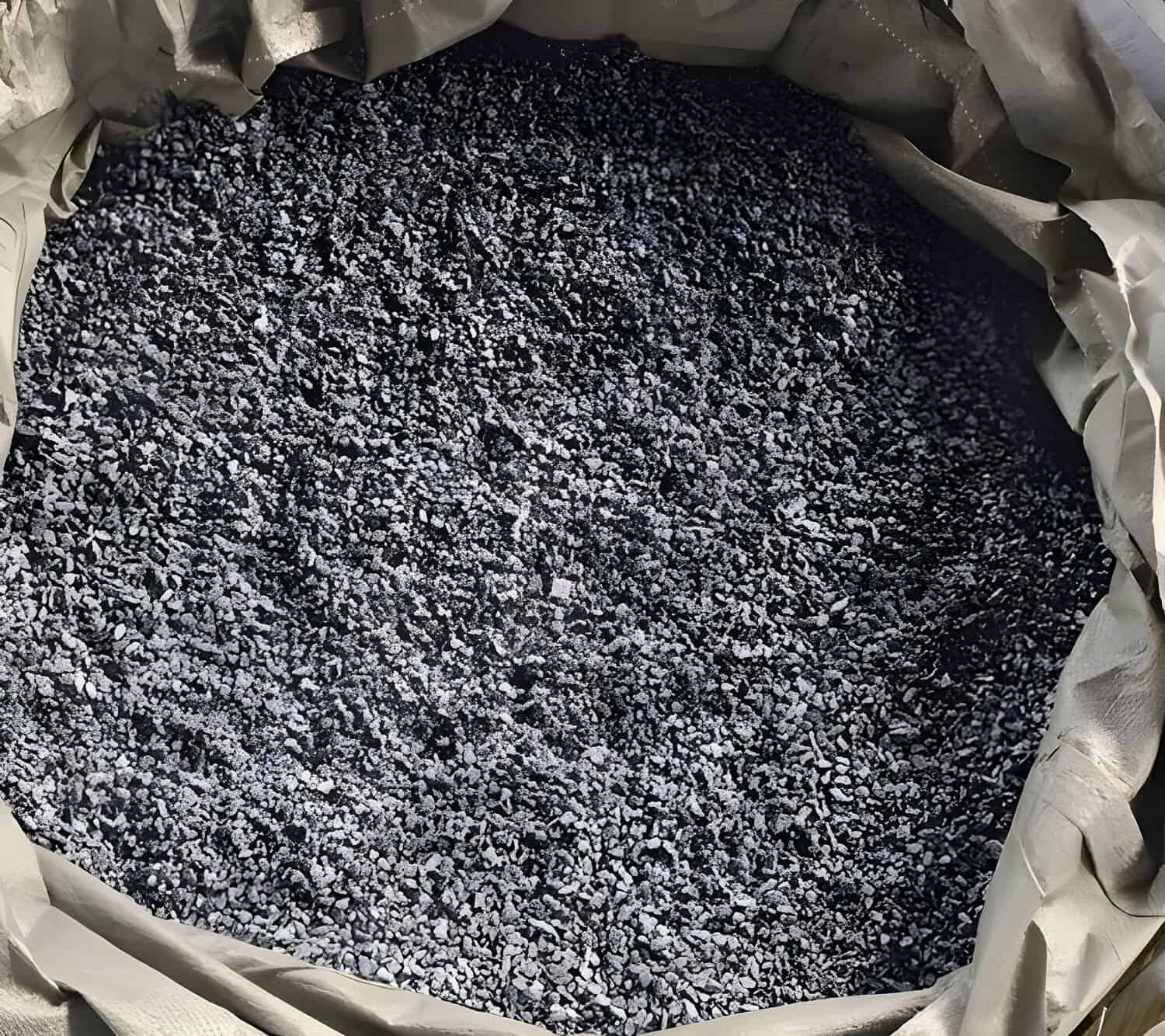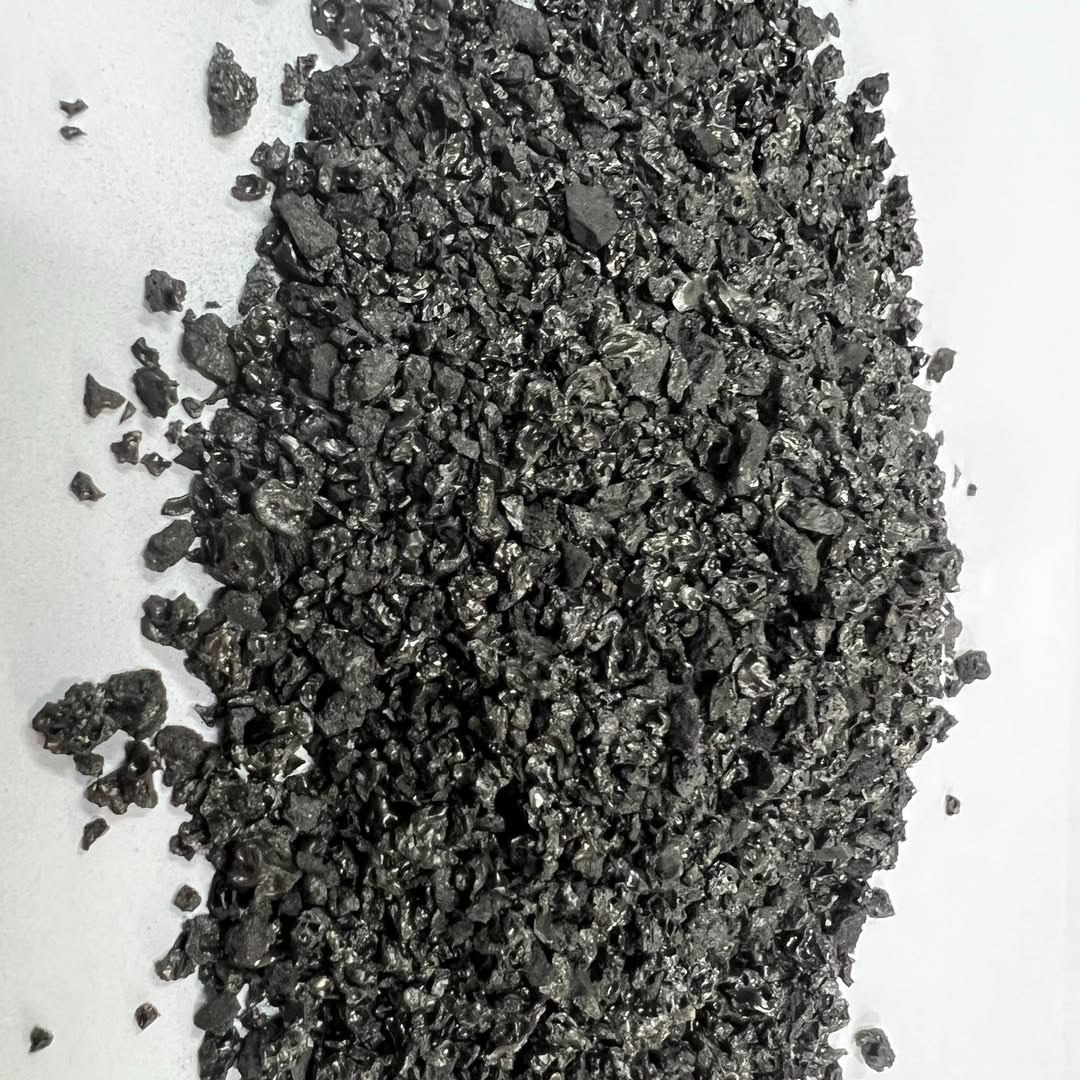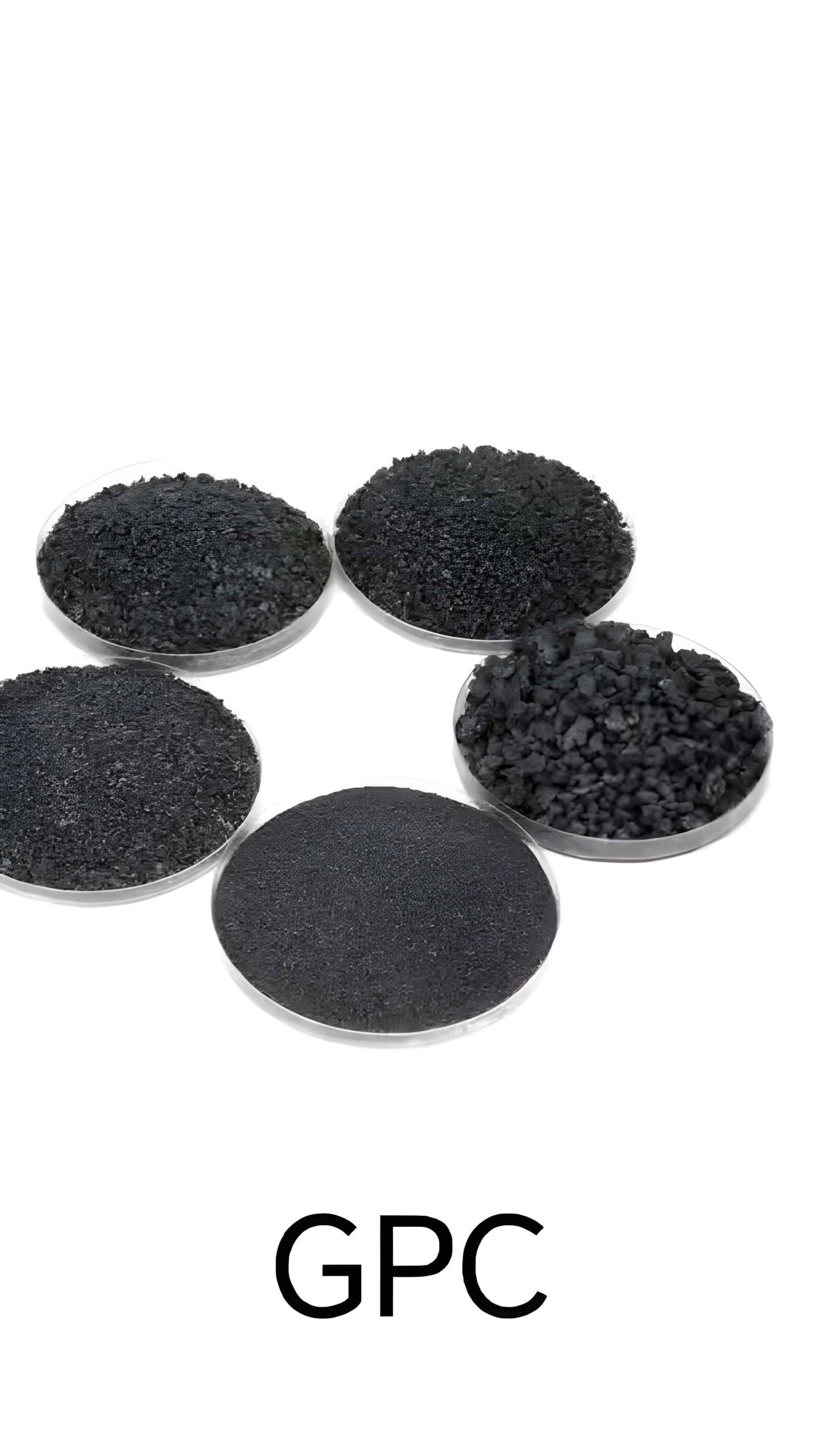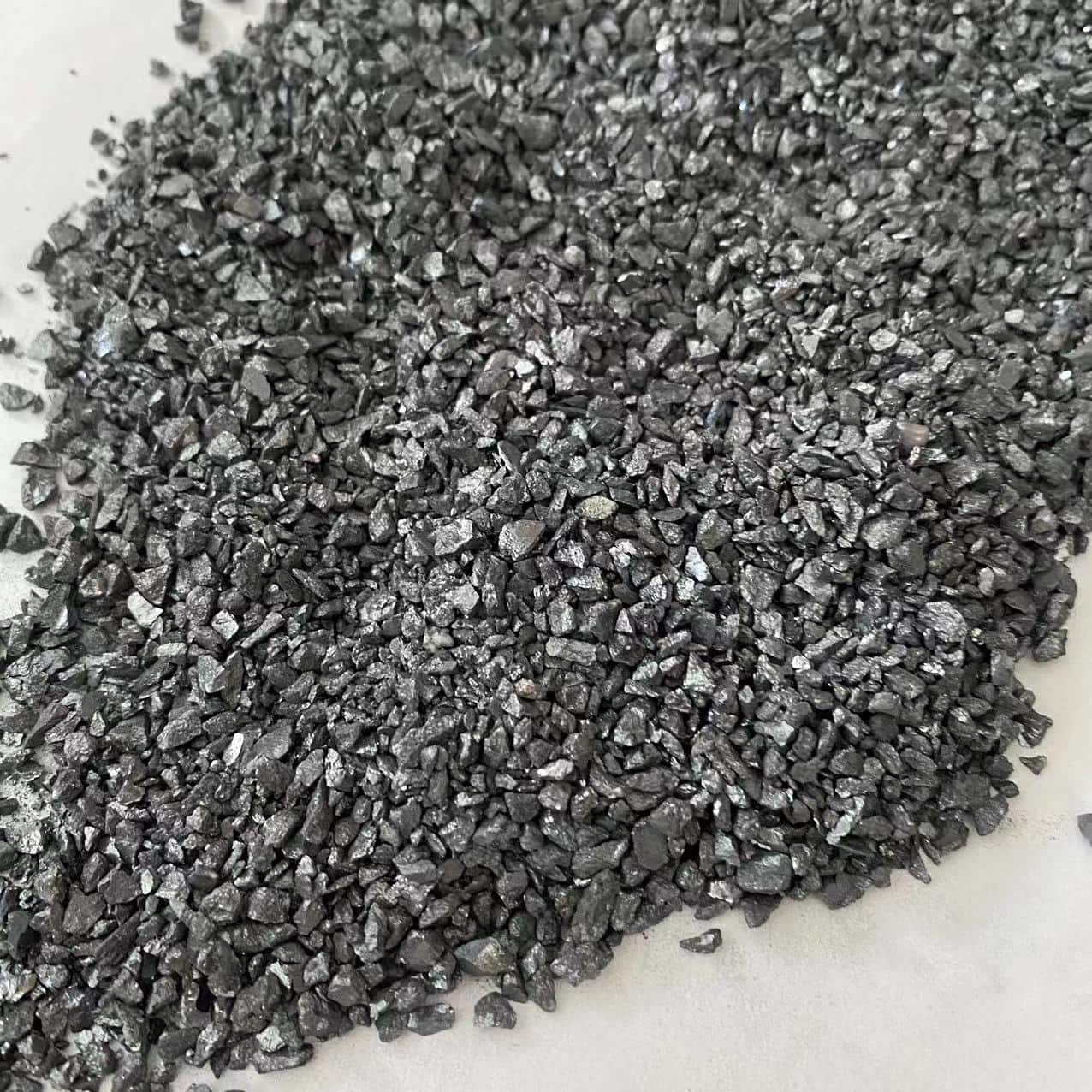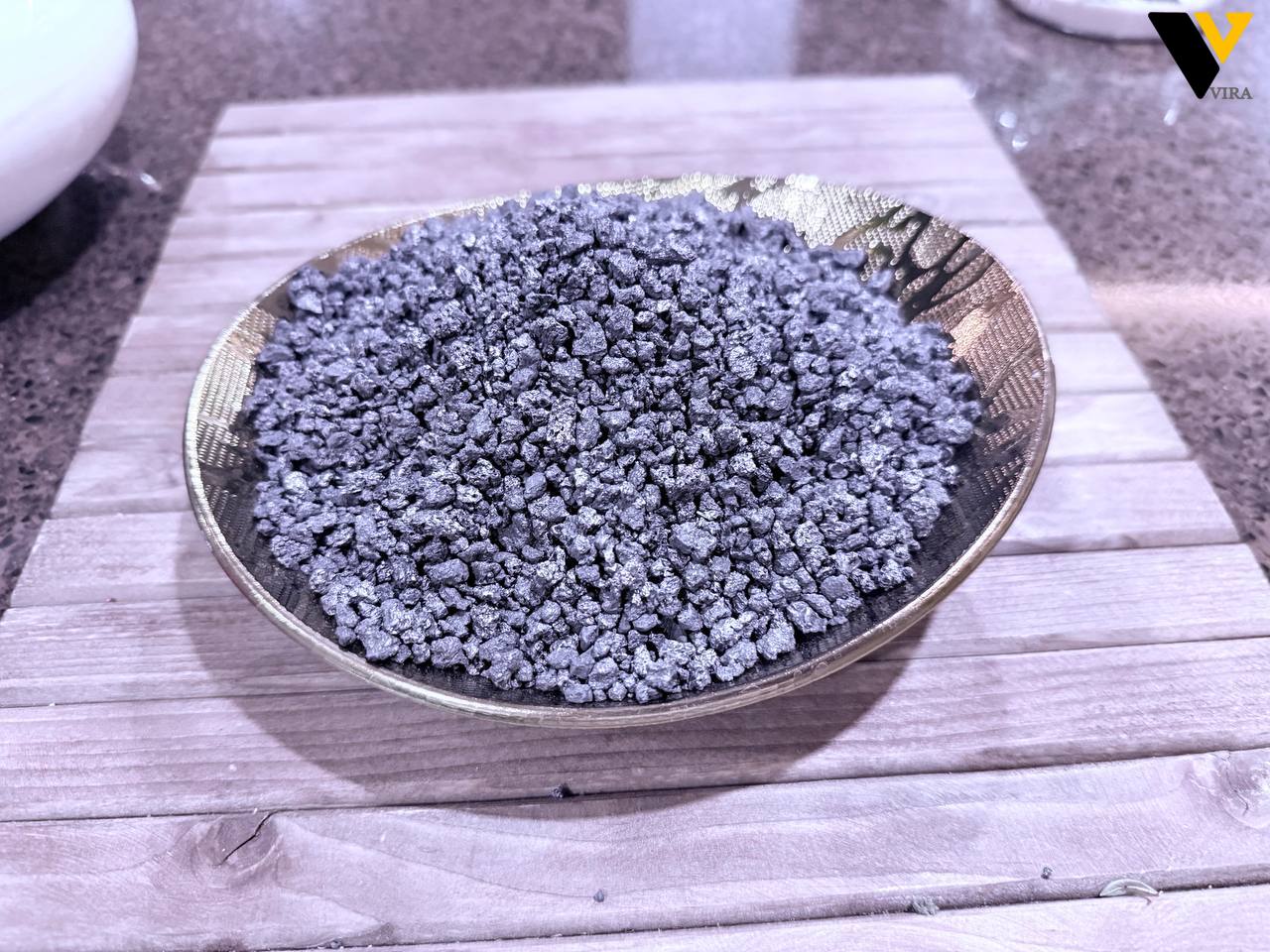


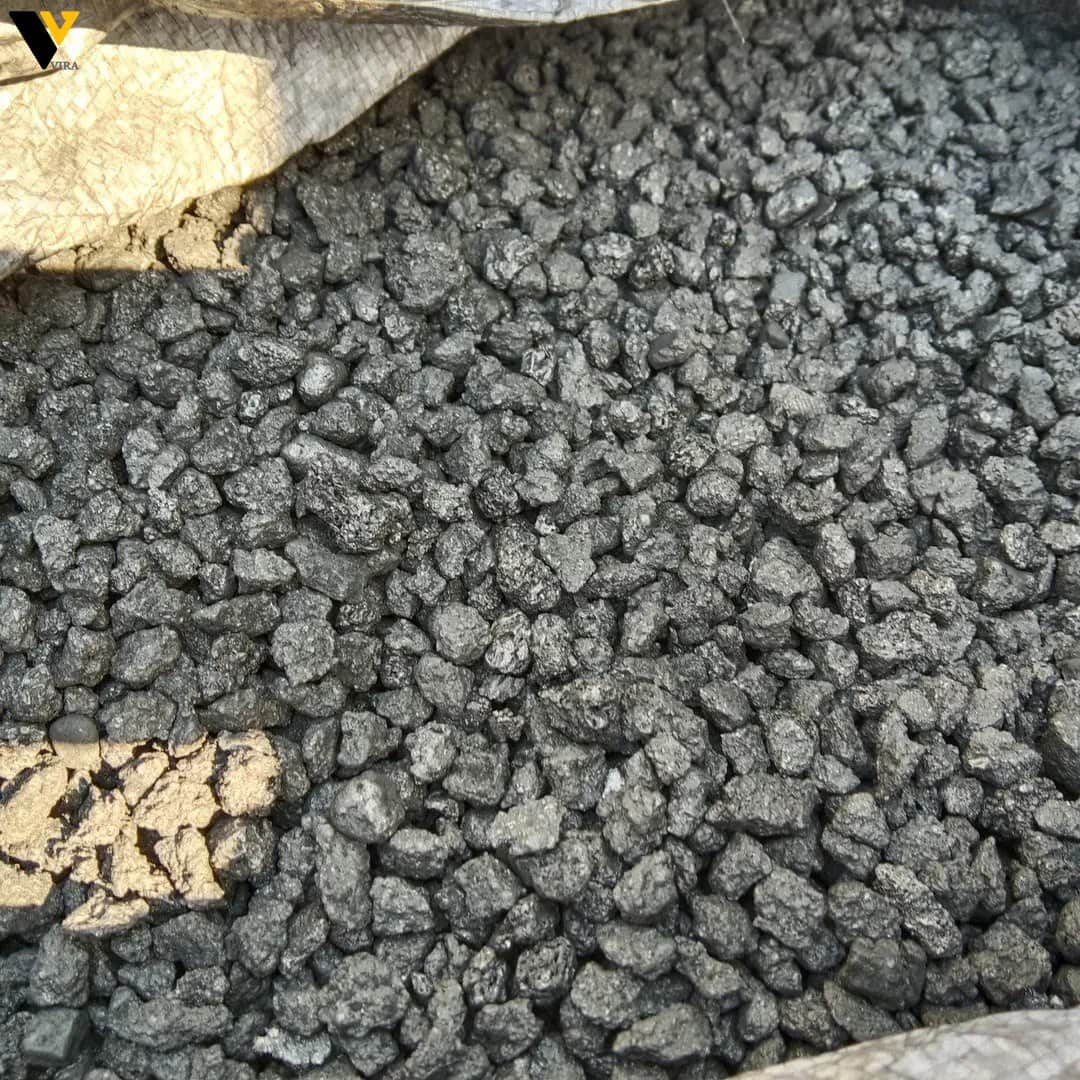
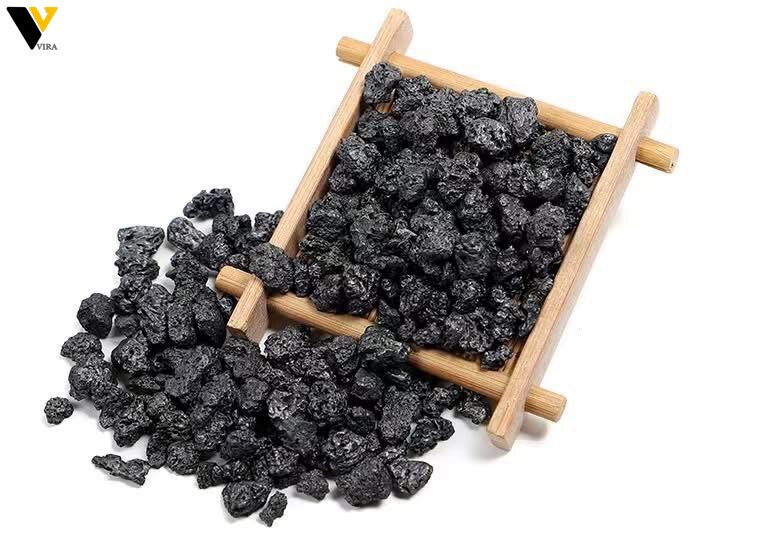
:Graphitized Petroleum Coke
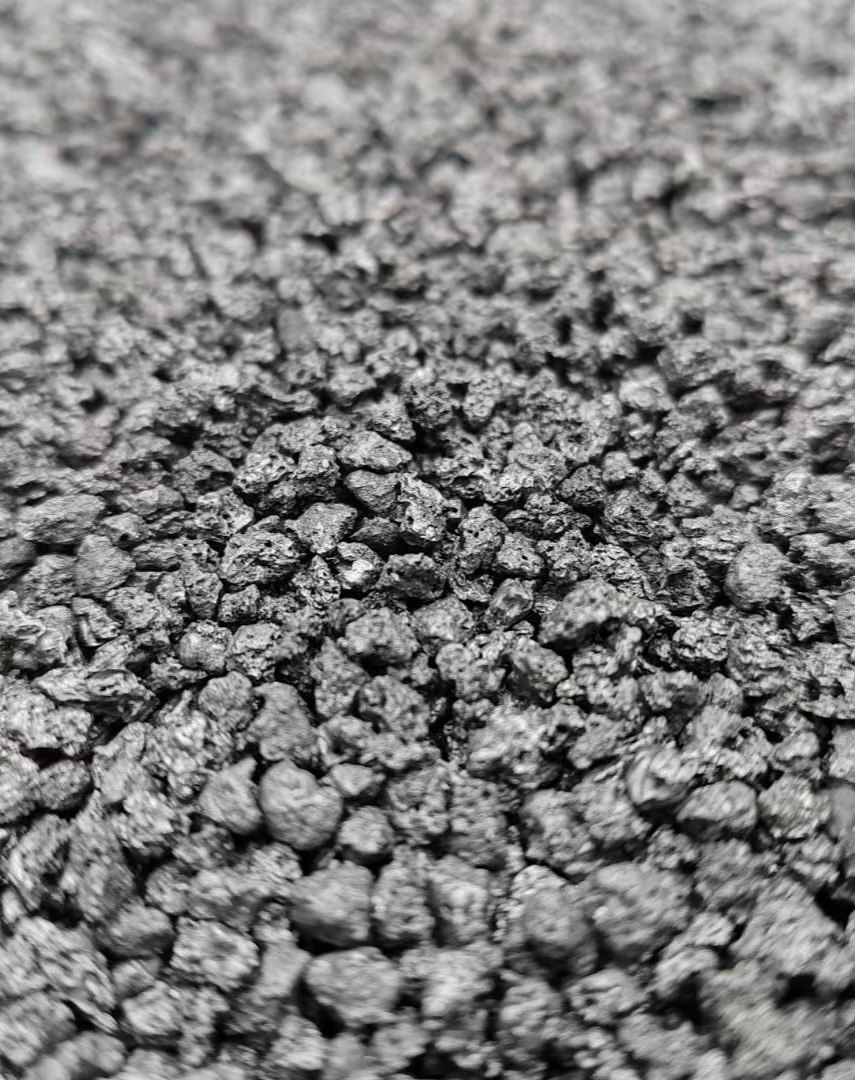
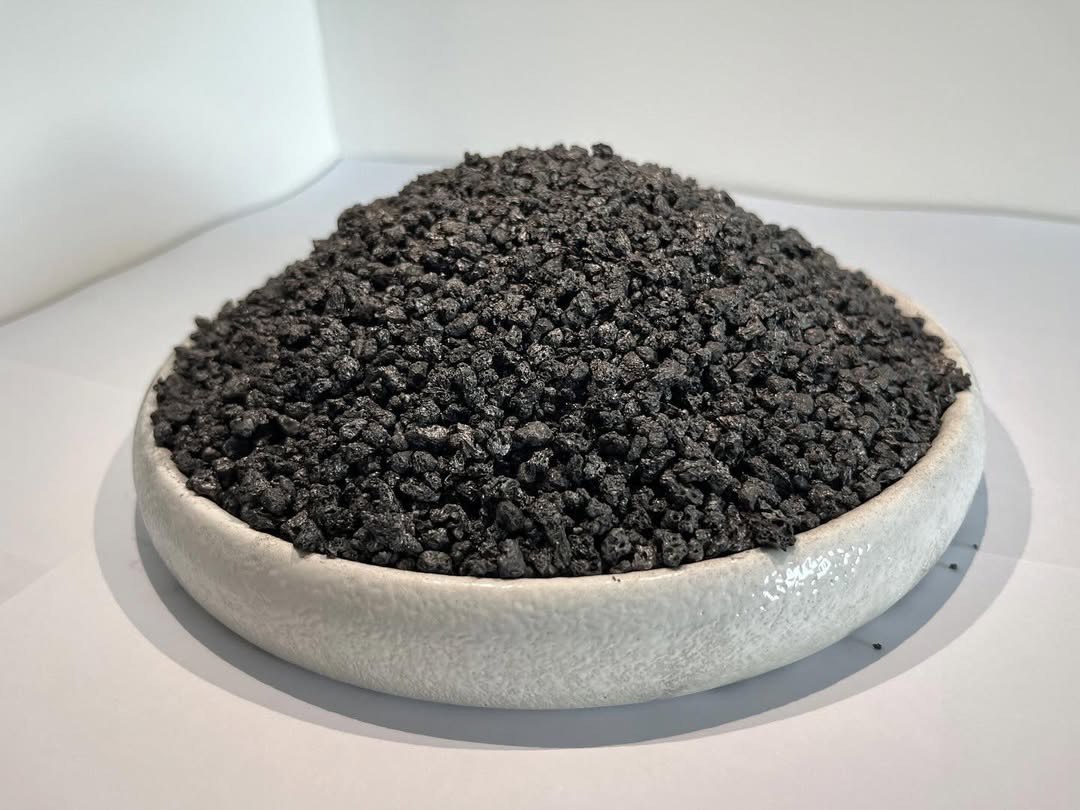
Graphitized Petroleum Coke (GPC) is a high‑carbon additive used in steelmaking to achieve accurate carbon adjustment with low sulfur and minimal impurities
Thanks to its high fixed carbon content and stable structure, GPC delivers reliable carbon recovery in EAF and ladle furnace operations, especially in sulfur‑sensitive steel grades
For technical specifications and industrial applications of GPC used as a carbon raiser, refer to the detailed product overview at
?What Is Graphitized Petroleum Coke (GPC) in Steelmaking
Graphitized Petroleum Coke (GPC) is a high‑purity carbon additive used in steelmaking to precisely adjust the carbon content of molten steel
It is produced by graphitizing petroleum coke at extremely high temperatures, resulting in very high fixed carbon levels and exceptionally low sulfur and ash, making it suitable for carbon‑critical steel grades
In modern steel plants, GPC is commonly applied in Electric Arc Furnaces (EAF) and ladle metallurgy to achieve stable carbon recovery, cleaner melts, and consistent chemical control, especially when compared to conventional carbon sources such as CPC or anthracite
Key Technical Benefits of GPC in Steelmaking
✅ High Fixed Carbon Content
Ensures efficient carbon pickup and accurate chemistry correction during melting and trimming stages
✅ Low Sulfur and Ash Levels
Minimizes unwanted impurities, improving steel cleanliness and final mechanical properties
✅ Stable Carbon Recovery
Predictable dissolution behavior supports precise process control in EAF and LF operations
✅ Clean Metallurgical Performance
Reduces slag contamination and supports tighter control of secondary metallurgy reactions
✅ Compatibility with Ferroalloys
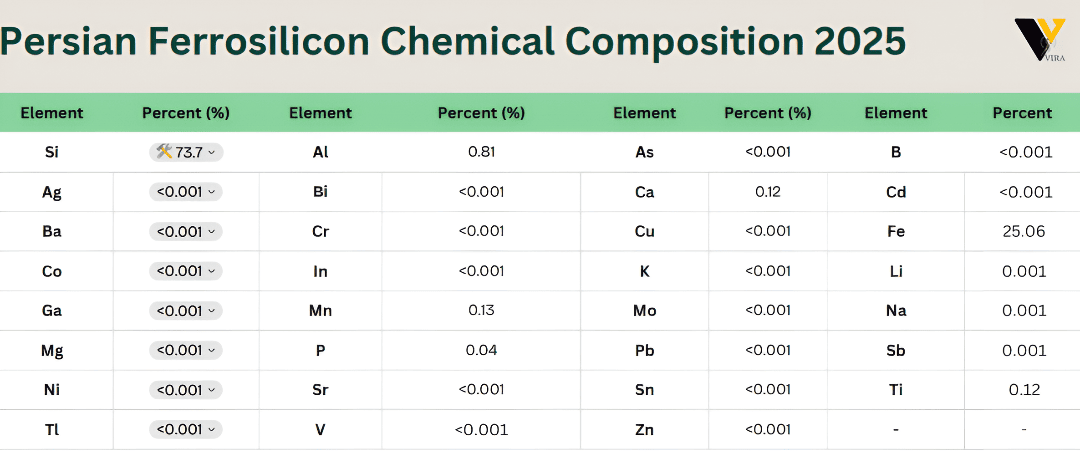
Commonly used alongside ferrosilicon (FeSi) to simultaneously control carbon and silicon levels in steel production
?Why Steel Plants Use Graphitized Petroleum Coke as a Carbon Raiser
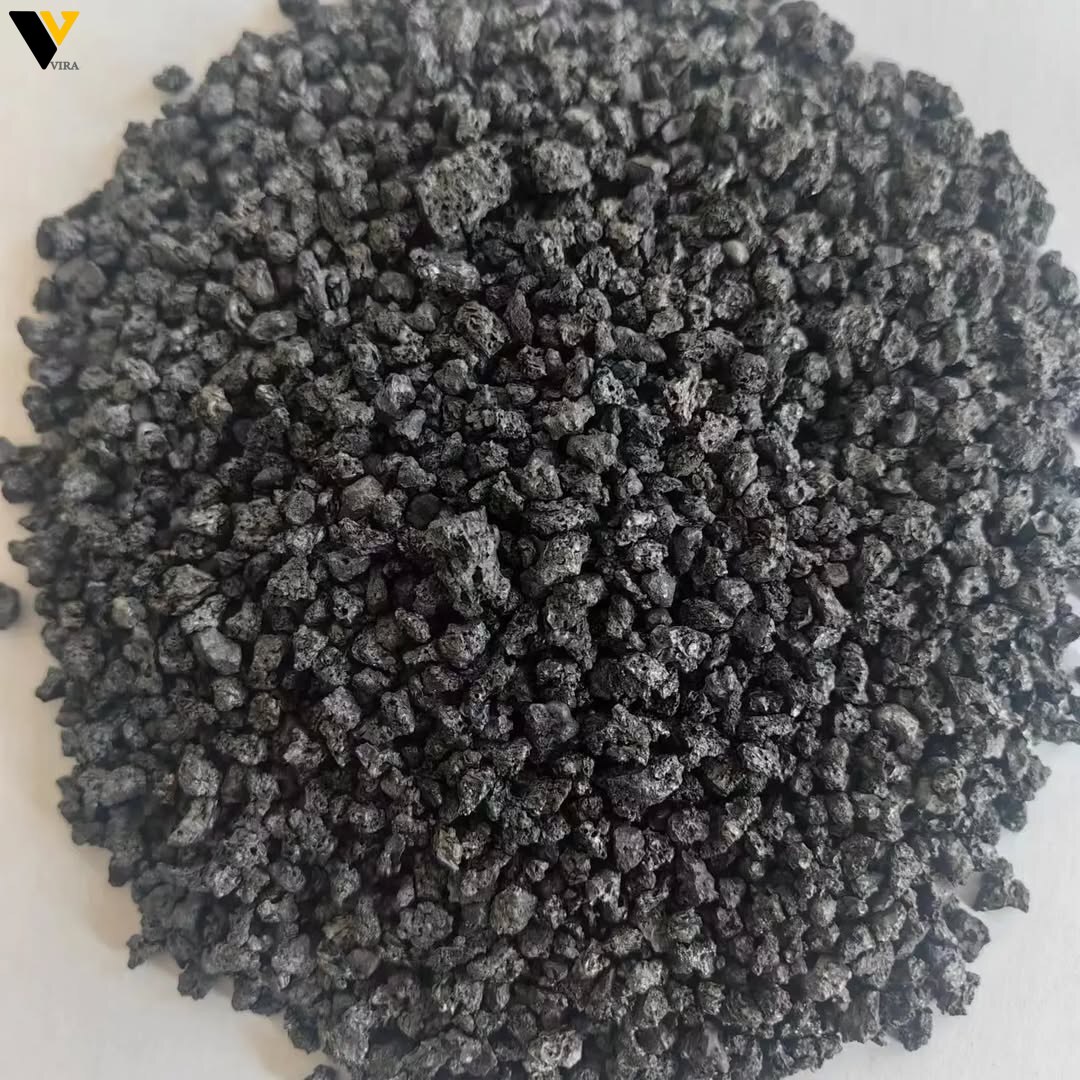
Steel plants rely on Graphitized Petroleum Coke (GPC) when precise carbon control and melt cleanliness are required. Due to its graphitized structure and high fixed carbon content, GPC allows steelmakers to raise carbon levels with minimal uncertainty during melting and secondary metallurgy
Compared to conventional carbon sources, GPC introduces significantly lower sulfur and ash into the molten bath, helping maintain stable slag chemistry and improving overall steel quality
Its controlled dissolution behavior enables predictable carbon recovery, which is particularly critical in electric arc furnace (EAF) operations and ladle carbon trimming
The use of properly sized GPC particles supports efficient melting kinetics and reduces variability between heats
In industrial practice, GPC is frequently applied alongside ferrosilicon (FeSi) additions to simultaneously adjust carbon and silicon levels, resulting in improved process consistency and tighter chemical tolerances
:Graphitized Petroleum Coke vs Calcined Petroleum Coke
In steelmaking, choosing between Graphitized Petroleum Coke (GPC) and Calcined Petroleum Coke (CPC) directly impacts carbon recovery, impurity control, and overall metallurgical consistency
While both materials are used as carbon sources, their structural characteristics and performance in molten steel differ significantly
GPC undergoes high‑temperature graphitization, resulting in a highly ordered carbon structure with superior purity and predictable dissolution behavior
CPC, although widely used, retains higher sulfur levels and a less ordered carbon matrix, which can introduce variability during carbon adjustment
| Parameter | Graphitized Petroleum Coke (GPC) | Calcined Petroleum Coke (CPC) |
|---|---|---|
| Fixed Carbon | ≥ 99.0 % | 98.0–99.0 % |
| Sulfur (S) | ≤ 0.05 % | 0.5–3.0 % (grade‑dependent) |
| Ash Content | ≤ 0.5 % | 0.5–1.5 % |
| Carbon Structure | Graphitic (highly ordered) | Turbostratic / amorphous |
| Carbon Recovery | High and predictable | Moderate, variable |
| Dissolution Rate | Stable and controllable | Faster but less consistent |
| Impact on Slag | Minimal contamination | Higher sulfur and ash pickup |
| Typical Use Stage | Ladle trimming, precision carbon control | Bulk carbon addition |
| Suitable Steel Grades | Low‑S and high‑quality steels | General‑purpose steels |
:Carbon Recovery and Melting Performance of GPC in EAF
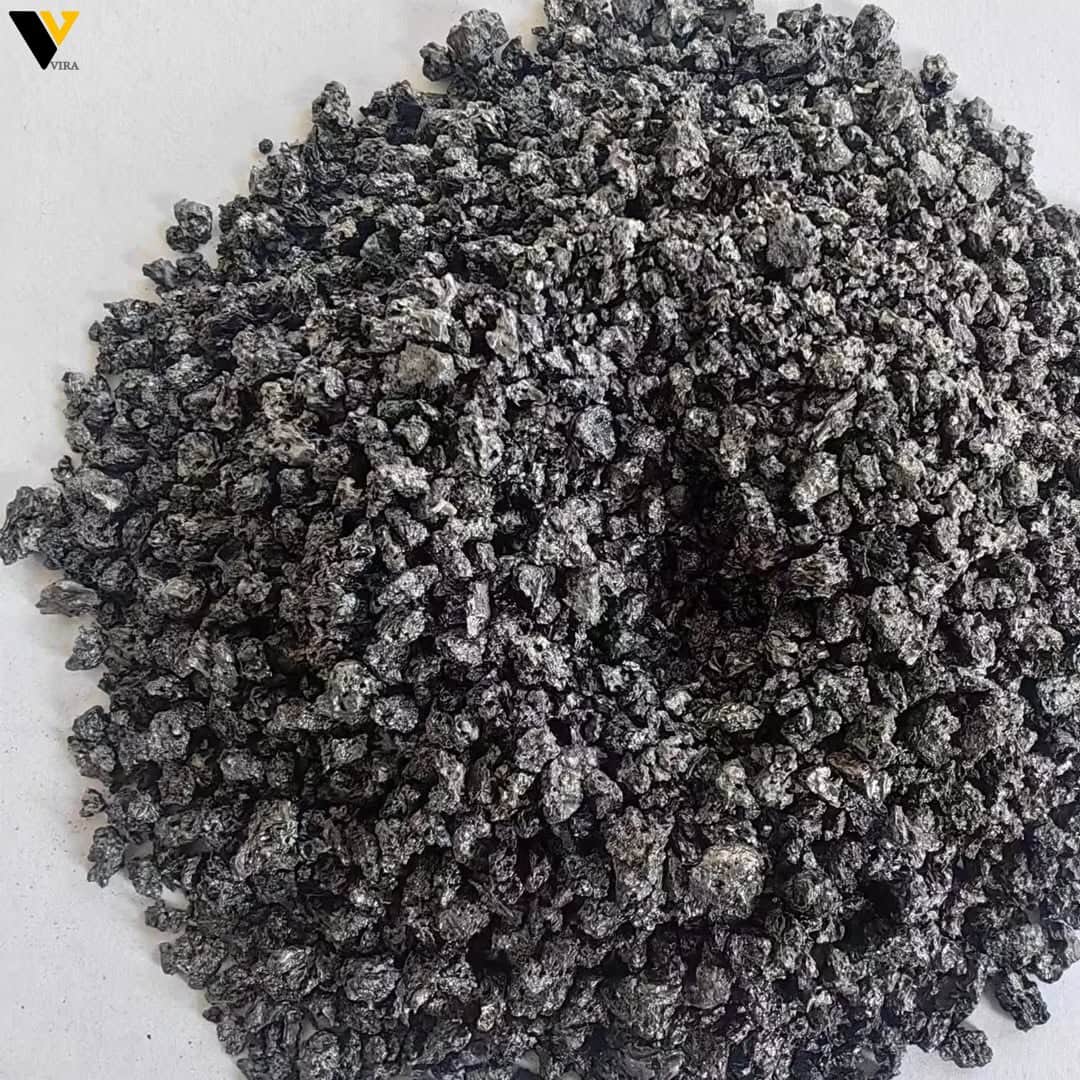
In Electric Arc Furnace (EAF) operations, carbon recovery efficiency is directly influenced by carbon purity, particle size distribution, and structural ordering of the carbon source
Graphitized Petroleum Coke (GPC) exhibits a highly ordered carbon lattice that enables predictable dissolution into the molten bath
Due to its low sulfur content (≤ 0.05 %) and minimal ash contribution, GPC minimizes unwanted element pickup and reduces slag contamination
When added at the appropriate stage of melting or during ladle trimming, typical carbon recovery rates of 90–95 % are achievable under controlled furnace conditions
:The 1–5 mm size range supports balanced melting behavior
- Rapid wetting and penetration into molten steel
- Limited oxidation losses compared to finer carbon materials
- Uniform carbon distribution across the heat
Operationally, GPC is often introduced after scrap melt‑down or in secondary metallurgy, allowing precise final carbon adjustment without destabilizing furnace chemistry
When used in combination with ferrosilicon (FeSi), GPC enables synchronized control of carbon and silicon levels, improving consistency between heats and reducing over‑correction risks
:Price Overview and Commercial Terms
Pricing of Graphitized Petroleum Coke (GPC) depends on fixed carbon level, sulfur content, particle size distribution, origin of raw material, and packaging
Market prices fluctuate based on graphite electrode demand, petroleum coke availability, and logistics constraints
Indicative GPC Price Table
| Specification | Grade A | Grade B | Grade C |
|---|---|---|---|
| Fixed Carbon (%) | ≥ 98.5 | ≥ 98.0 | ≥ 97.5 |
| Sulfur (%) | ≤ 0.03 | ≤ 0.05 | ≤ 0.07 |
| Ash (%) | ≤ 1.0 | ≤ 1.5 | ≤ 2.0 |
| Volatile Matter (%) | ≤ 1.0 | ≤ 1.2 | ≤ 1.5 |
| Moisture (%) | ≤ 0.5 | ≤ 0.5 | ≤ 0.5 |
| Particle Size | 1–5 mm / 3–8 mm | 1–5 mm / 3–8 mm | 1–5 mm |
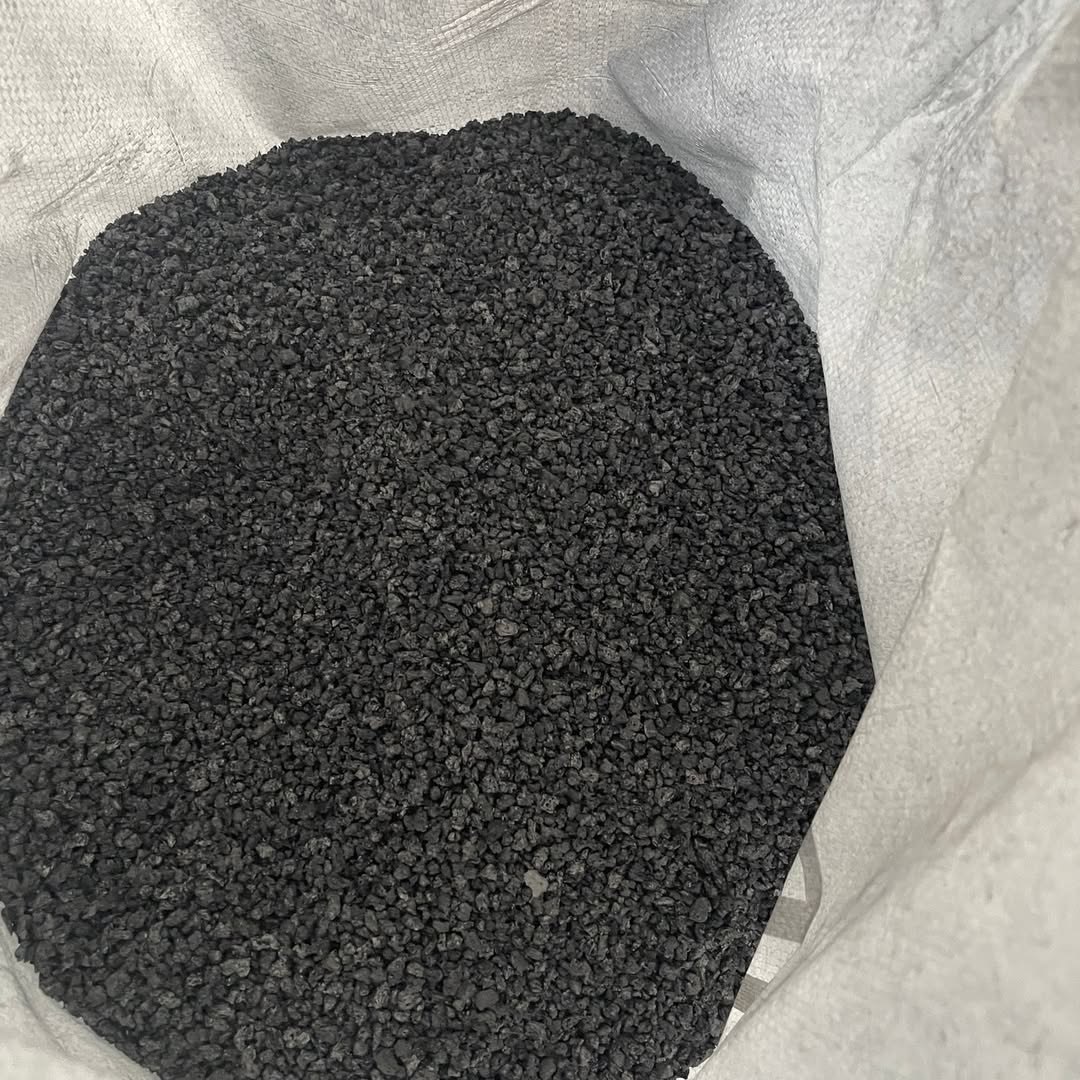
| Packing | 1 MT Big Bag | 1 MT Big Bag | 1 MT Big Bag |
| Price Range (USD/MT) | 440–520 | 400–460 | 350–400 |
| Delivery Term | FOB / CFR / CIF | FOB / CFR / CIF | FOB / CFR / CIF |
| Origin | Iran / China | Iran / China | Iran |
Prices are indicative and subject to change based on quantity, packaging, origin, and shipping route
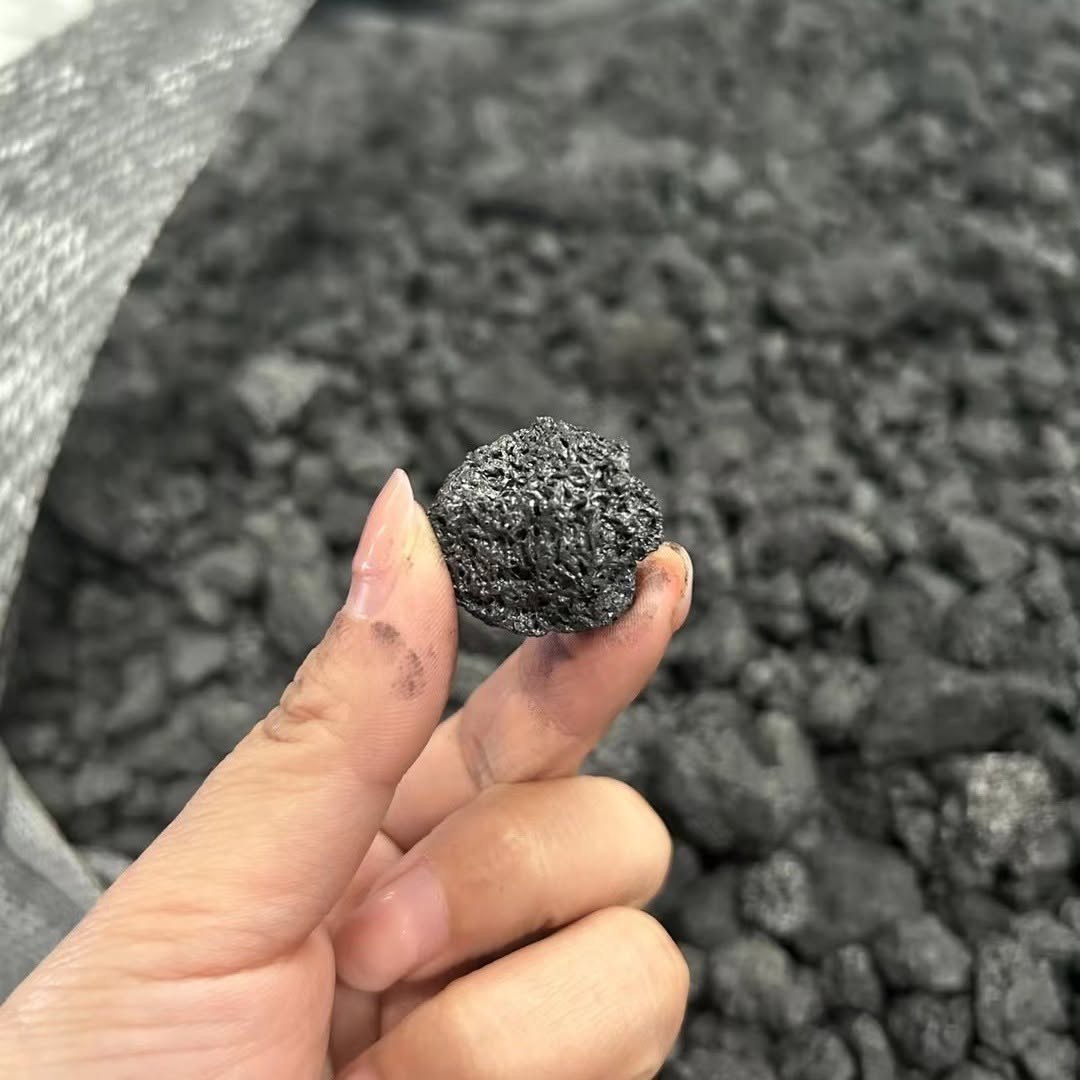
:Applications of Graphitized Petroleum Coke in Steel and Foundry
:Steelmaking
Used as a carbon raiser in EAF and BOF operations for final carbon adjustment. Low sulfur and ash help maintain clean slag chemistry and stable steel composition, especially during ladle metallurgy.
:Foundry
Applied in grey and ductile iron production to control carbon equivalent (CE). Supports uniform carbon dissolution and consistent graphite formation with minimal impurity pickup.
:Typical Use
- Secondary metallurgy and carbon trimming
- Low‑sulfur steel grades
- Precision melts requiring controlled carbon recovery
:Frequently Asked Questions
?What is the typical sulfur level in your GPC
Typical sulfur content is ≤ 0.05 %, suitable for low‑sulfur steel and quality‑sensitive foundry applications
?Which particle sizes are commonly supplied
Standard size is 1–5 mm. Other size ranges may be available upon request, subject to production and screening
?What carbon recovery can be expected in EAF operations
Under controlled EAF conditions, typical carbon recovery ranges between 90–95 %, depending on addition practice and furnace parameters
?Is GPC suitable for both steelmaking and foundry use
Yes. GPC is used for final carbon adjustment in steelmaking and for carbon equivalent control in grey and ductile iron production
?How does GPC compare to CPC in industrial practice
GPC offers lower sulfur, higher purity, and more predictable carbon recovery, while CPC is mainly used for bulk carbon addition
?Does GPC affect slag chemistry
Due to low ash and sulfur levels, GPC has minimal impact on slag composition when used correctly
?What are the usual packaging options
Common packaging includes big bags and bulk loading, depending on logistics and delivery terms
?Are the specifications guaranteed
Technical values are provided as typical reference data. Final specifications are confirmed through Certificate of Analysis (COA) per shipment
:Conclusion
Graphitized Petroleum Coke (GPC) is a reliable carbon source for steelmaking and foundry operations where high fixed carbon, low sulfur, and controlled dissolution behavior are required
Its graphitized structure enables predictable carbon recovery and minimizes impurity pickup, supporting stable process control in EAF, ladle metallurgy, and precision iron melts
When properly selected and applied, GPC complements ferroalloy additions such as ferrosilicon, allowing operators to fine‑tune final chemistry within tight tolerances. For applications where melt cleanliness and consistency are critical, GPC provides a technically sound and operationally proven solution
Phone: +989121684359
WhatsApp: +989121684359
For more information, visit our website: Ferrosilicon.co 🌐